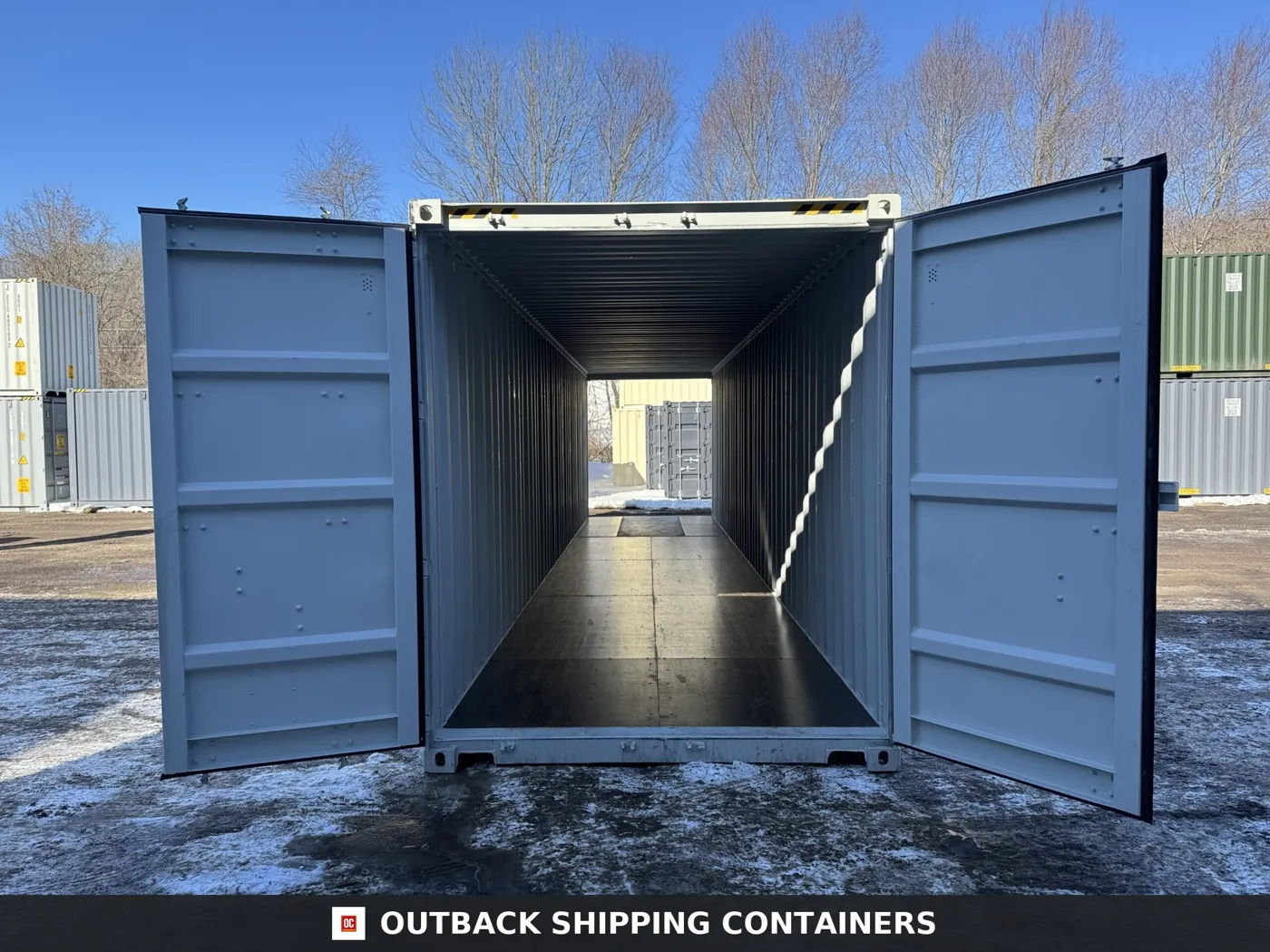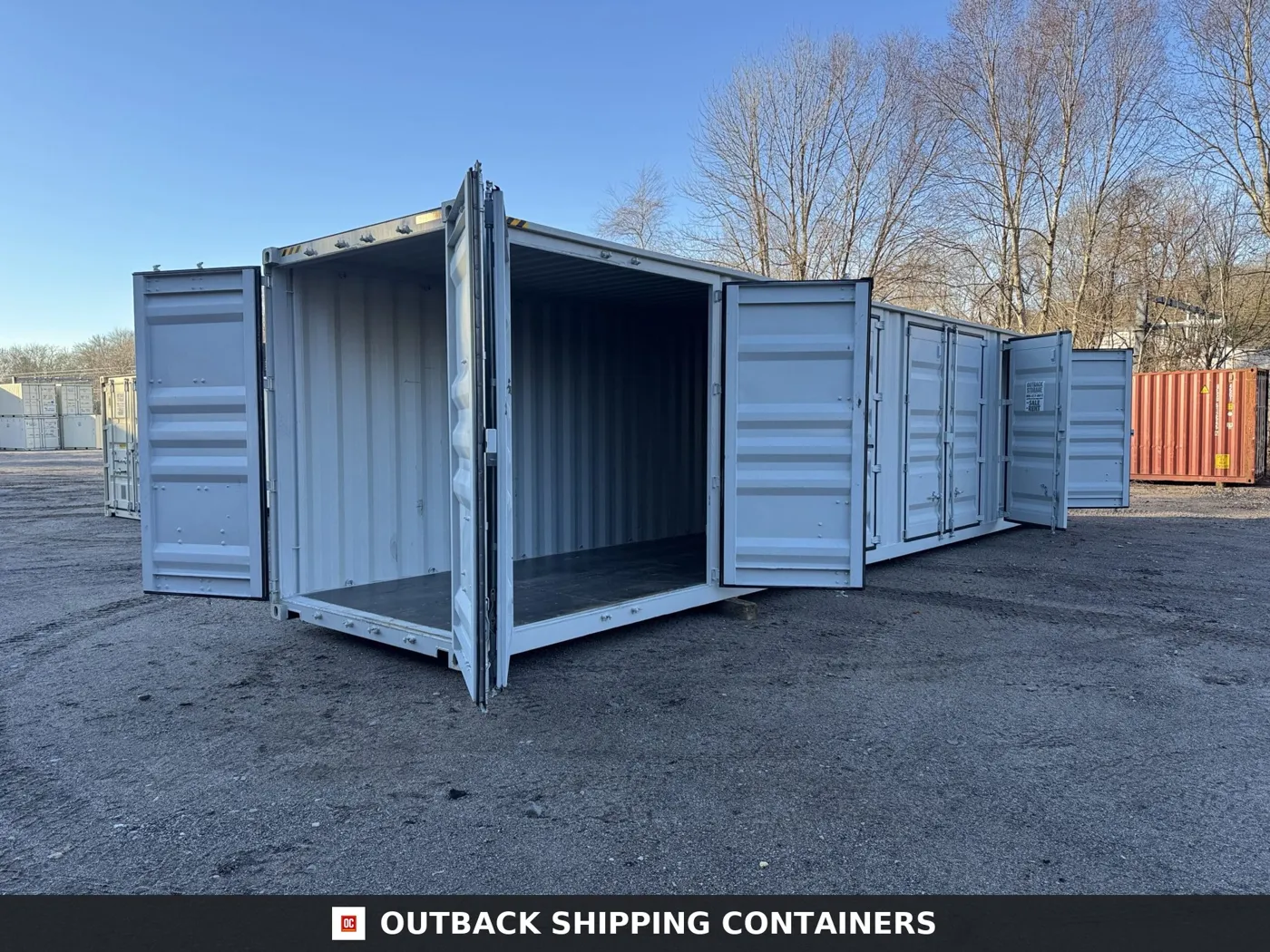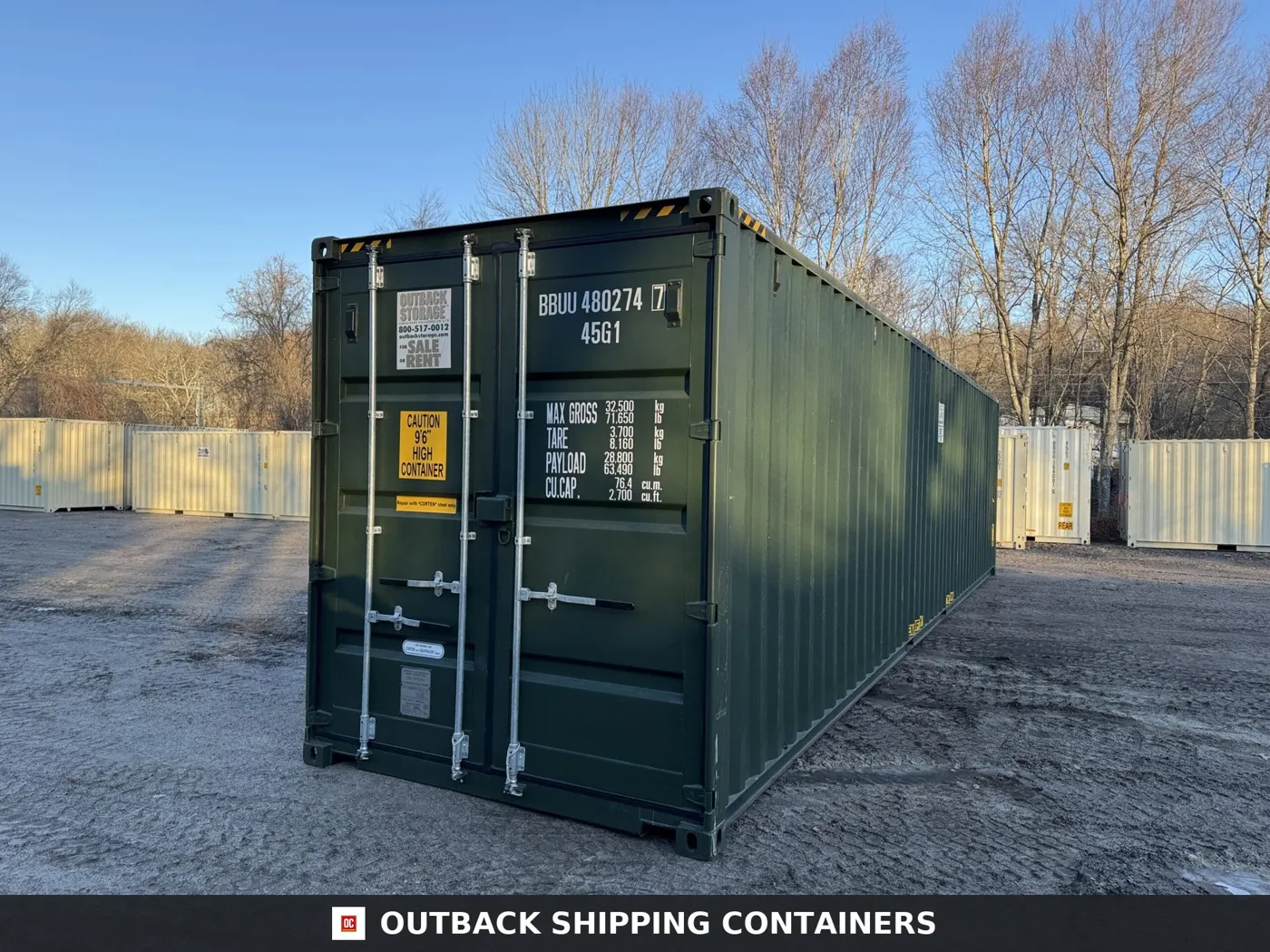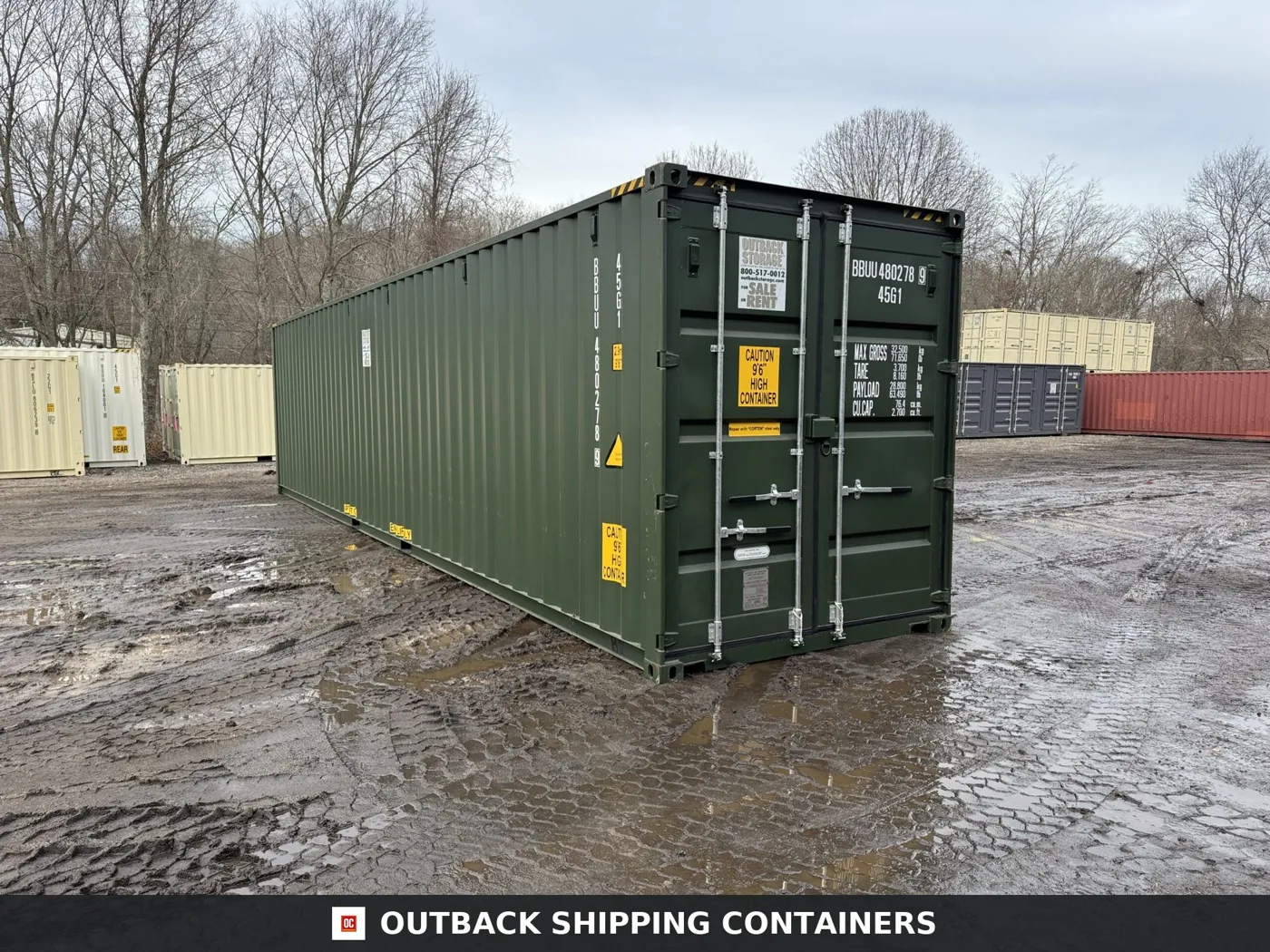
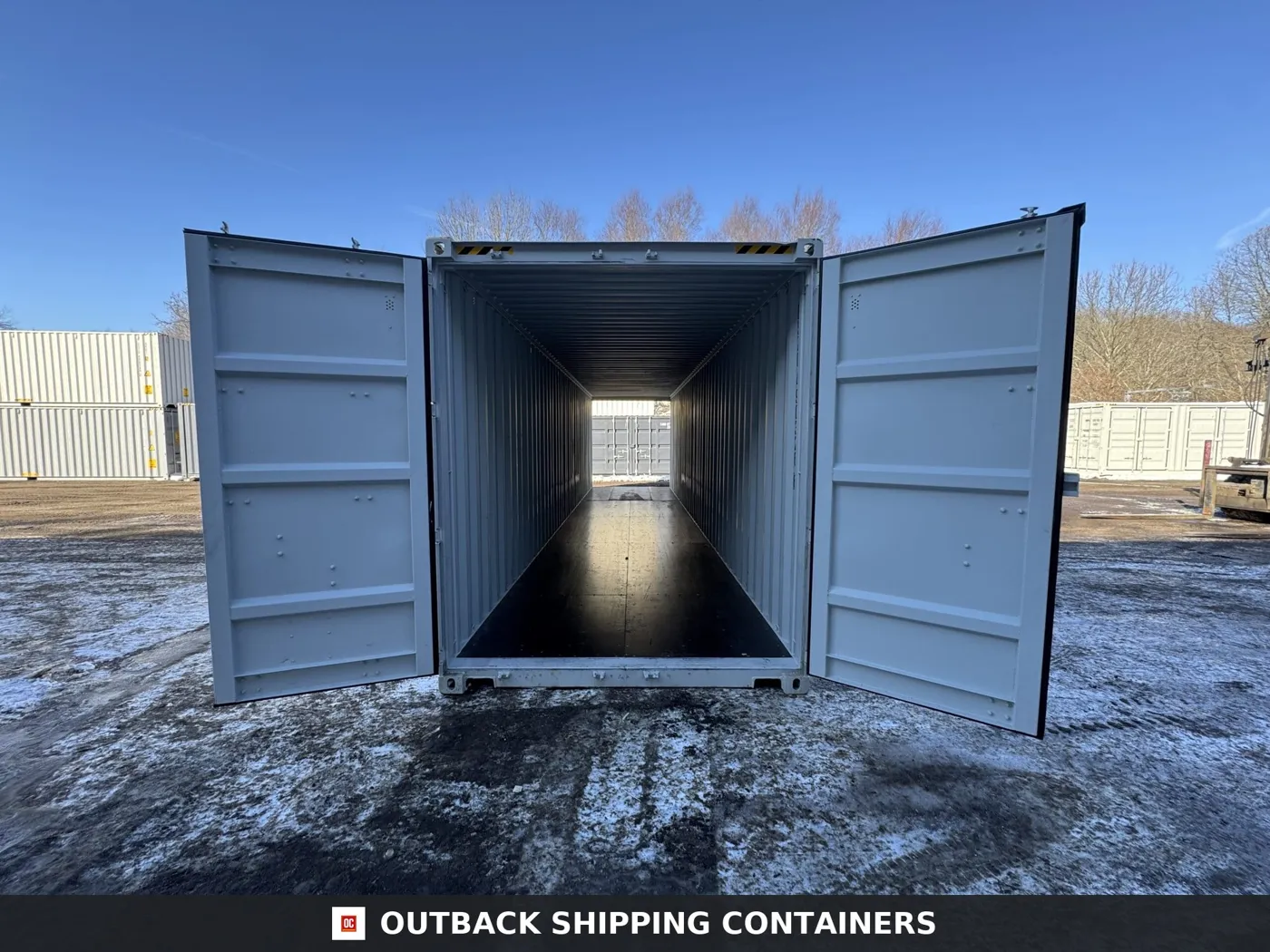
 40ft New High Cube Shipping Container – Wind & Watertight – Gray – Unit DSZU490326-6
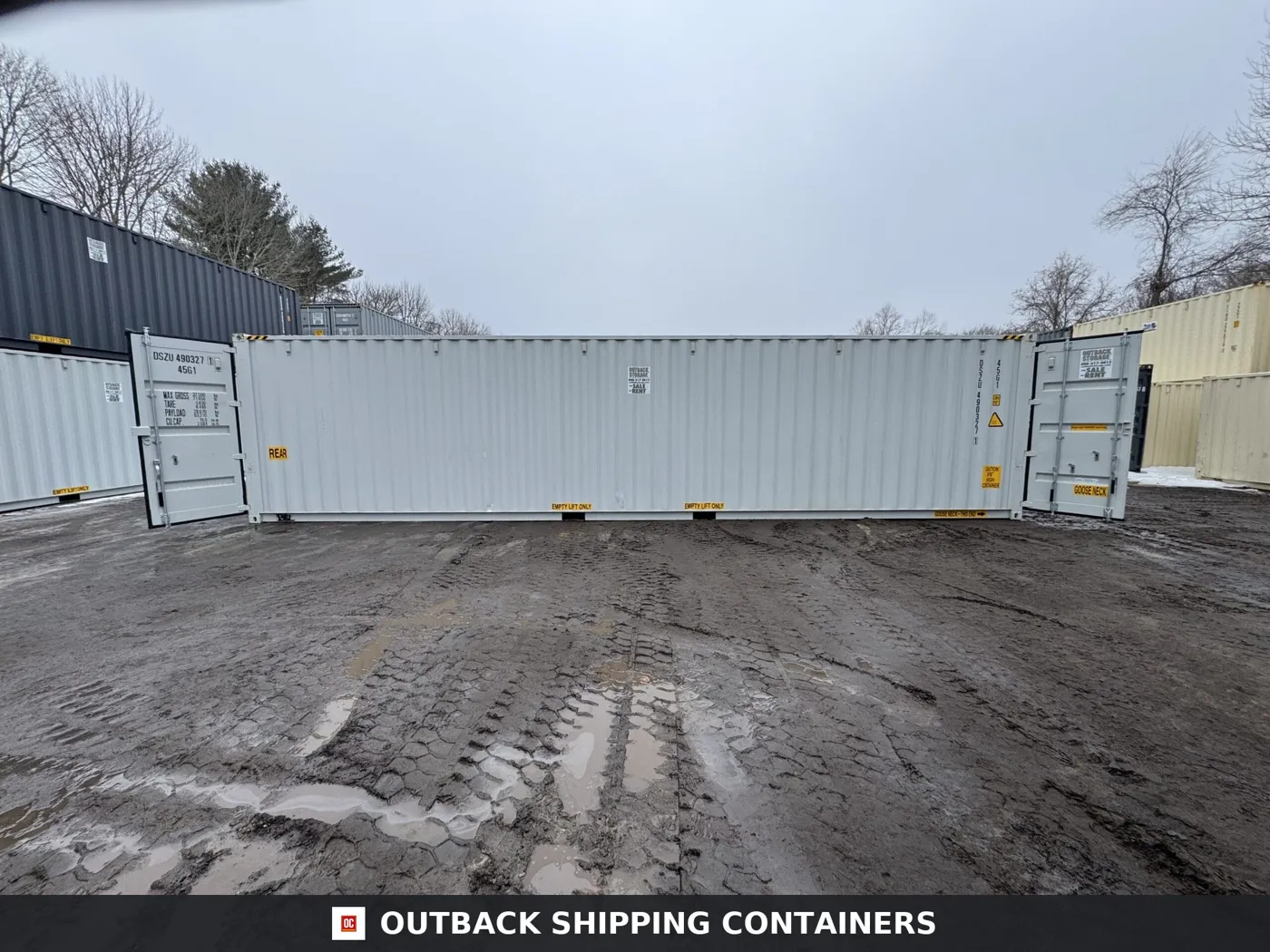 40ft New High Cube Shipping Container – Wind & Watertight – Gray – Unit DSZU490327-1
The actual difference
A high cube container is about a foot taller than a standard-height unit of the same length. Externally that is a modest change. Internally, in a space that starts at a little under eight feet of headroom, it is the difference between a room that feels normal and one that does not — and it is the difference between a conversion that works and one that is compromised before it starts.
Why it matters for conversions
Once you insulate a container you lose height. Insulation, a vapour control layer, battens and an interior ceiling finish all come off the clear headroom, and the floor build-up takes more from below. Start with standard height and a properly insulated conversion can leave you with uncomfortably low ceilings. Start with a high cube and the same build leaves a space that reads as a normal room. For any occupied use in a cold climate, the extra height is usually the right call.
Where standard height is the better buy
For pure storage, standard height is often the smarter purchase. It costs less, it is easier to find, it sits lower on the site, and it fits under more obstructions. If the unit is holding equipment, stock or records and nobody is lining the walls, there is rarely a reason to pay for the extra foot.
Transport and placement consequences
Taller unit, taller load. The extra foot can matter on routes with low branches, wires, bridges and gateways — and it matters where the unit is going to live, if there is a canopy, a roof overhang or a fence line to clear. If your site has a known height restriction anywhere along the approach, measure it before choosing.
Door openings
The door opening is not the same as the internal cross-section, and it is not the same between the two heights. If you have a specific item that has to pass through the doors — machinery, racking, a vehicle — work to the door opening dimensions for the exact unit, not the nominal size of the container. Ask for the figure if it is not listed.
Making the decision
Write down the intended use first. If it will be insulated or occupied, lean to high cube and let the budget follow. If it is storage, buy standard height unless a specific tall item says otherwise. Then check the approach and the placement spot for height restrictions, and confirm the door opening against your largest item.
Find your next configuration.
Compare the equipment details, then tell Northern what your project needs.
Explore equipment