Good questions.
Better equipment choices.
Practical reading for your next container, marine engine or conversion project.
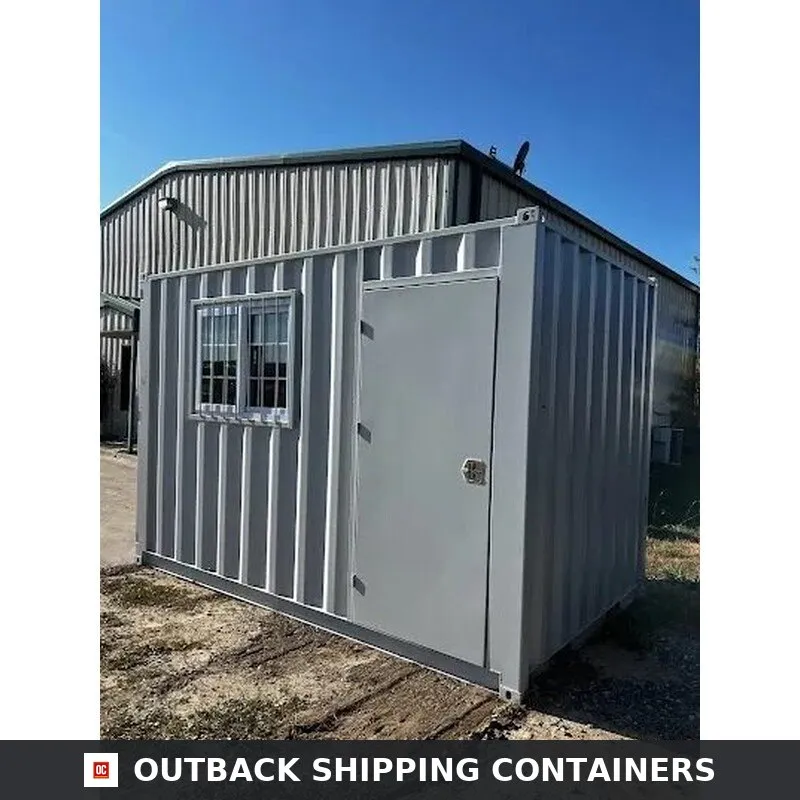
Choose the container that fits the job.
Start with the contents, access and site—not just the length printed on the listing.
Read the guide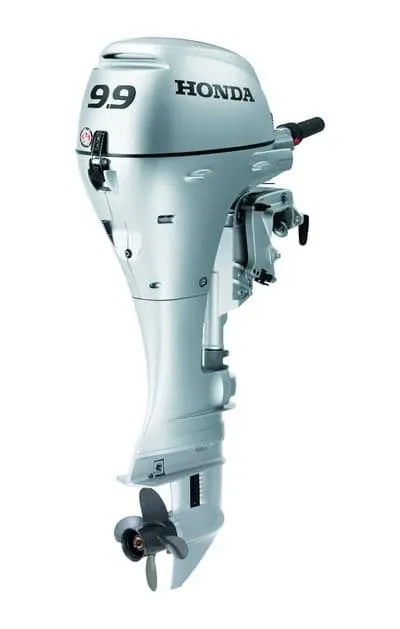
A practical checklist for your next outboard.
Power is one specification. Shaft fit, controls, rigging and accessories complete the picture.
Read the guide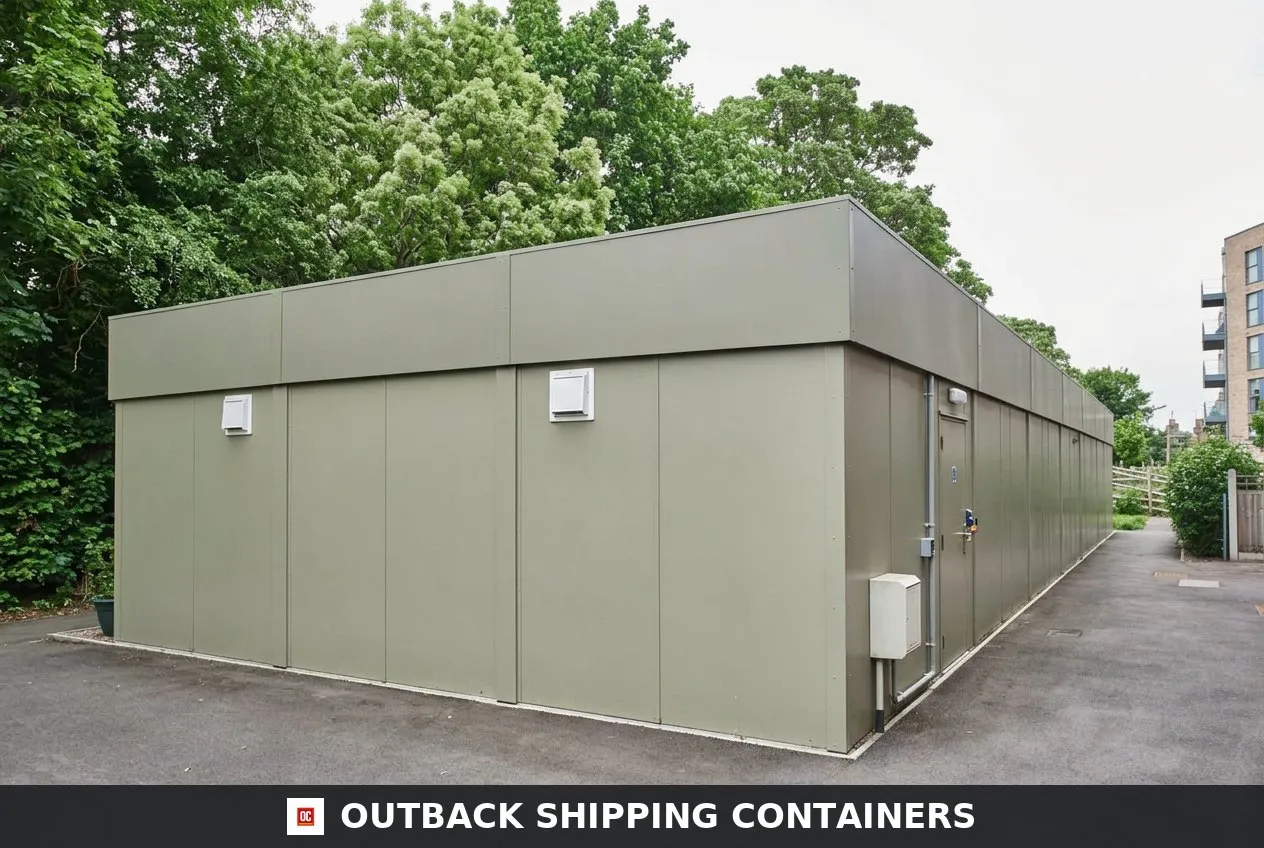
Get your site ready for container delivery.
The entrance, access route and unloading area matter as much as the final placement spot.
Read the guide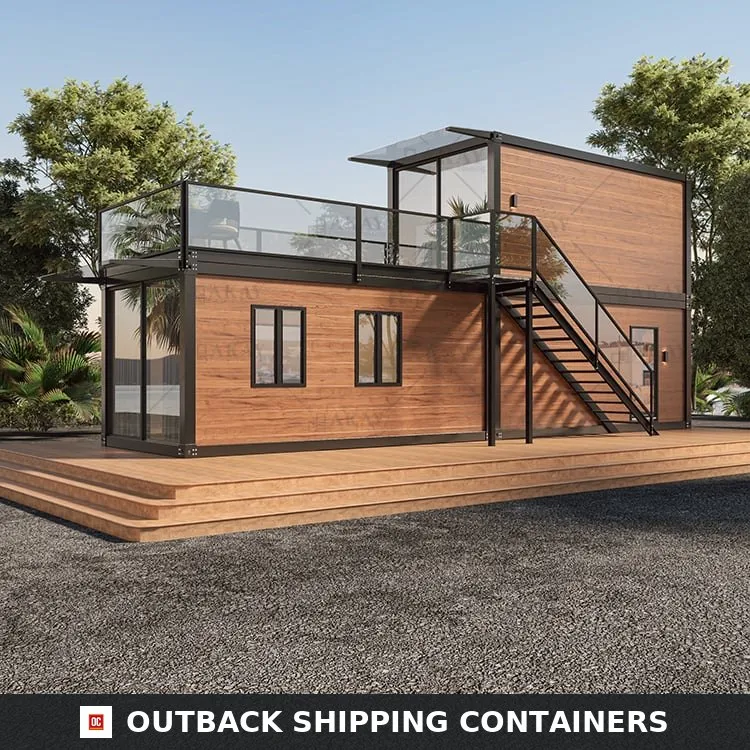
Turn a container idea into a clear project brief.
A good brief connects the layout, fit-out and site so the quote describes a complete scope.
Read the guideWhat goes under the container matters more than the container.
A container is only as square as the ground beneath it. Get the base wrong and the doors tell you within a season.
Read the guideStorage or occupied: the question that sets your permit path.
Nearly every approval question answers itself once you decide what the unit is actually for.
Read the guide
High cube or standard: one foot that changes the whole build.
The extra height sounds like a small upgrade. For anything you plan to insulate or occupy, it decides the project.
Read the guideCondensation is the problem. Insulation is only half the answer.
A steel box in a Maine winter will rain on its own contents unless the build is designed to stop it.
Read the guideShaft length: the measurement most repower problems trace back to.
Horsepower gets the attention. Getting the shaft and transom right is what makes the boat work.
Read the guideNew, one-trip, cargo-worthy, as-is: what the labels actually mean.
Condition language is shorthand, not specification. Here is how to read it — and what to ask instead.
Read the guide