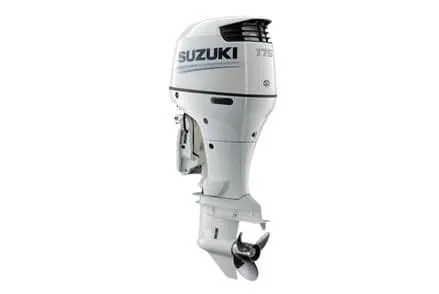
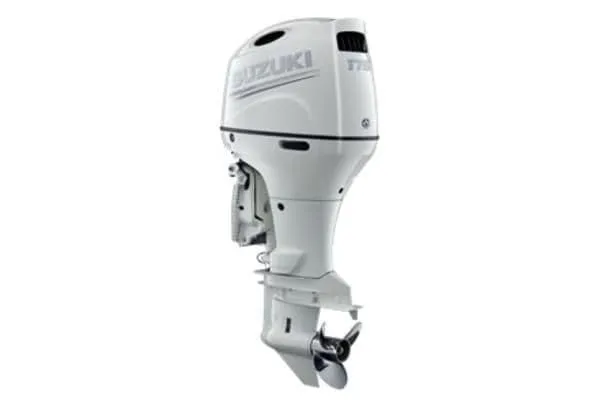
 Suzuki DF175APXW2, 175 HP, 25 IN SHAFT, DIGITAL, ELECTRIC, WHITE
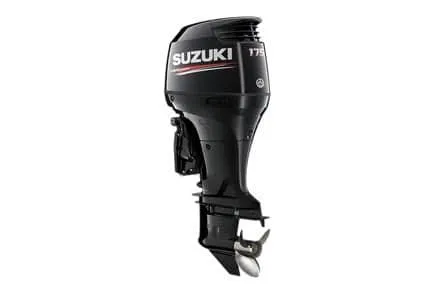
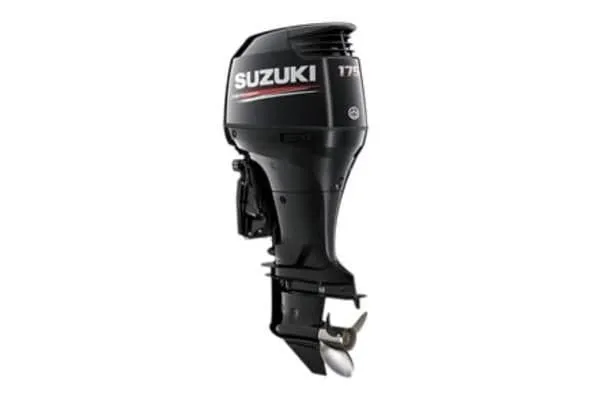 Suzuki DF175TL2, 175 HP, 20 IN SHAFT, REMOTE, ELECTRIC, BLACK
What transom height means
Transom height is measured from the top of the transom, where the engine clamps, straight down to the bottom of the hull at the centreline. That measurement, not the length of the boat or the size of the old engine, is what determines which shaft length you need. Measure it yourself before ordering, and measure it accurately — this is the number everything else depends on.
Short, long and extra long
Outboards are built in a small number of shaft lengths, and each is intended for a particular transom height. The aim is to put the anti-ventilation plate just below the hull bottom when the engine is mounted. Too short and the propeller draws air, especially in turns and chop. Too long and you drag unnecessary gear through the water and lose efficiency. Match the shaft to the transom and both problems disappear.
What goes wrong with a mismatch
A shaft that is too short ventilates: the engine revs climb, thrust collapses, and the boat porpoises or slips in turns. It is unpleasant and, in a following sea, genuinely unsafe. A shaft that is too long is less dramatic but costs speed and fuel, and leaves the gearcase more exposed in shallow water. Neither is a fault in the engine, and neither is covered by a warranty.
Rated horsepower is a limit, not a target
Every boat has a manufacturer rating for maximum horsepower, and it exists for structural and handling reasons. Exceeding it affects insurance and liability as well as safety, and it is not something to work around because a particular engine was available. Stay inside the rating. If you want more performance, look at propeller choice and load distribution before reaching for more power.
Controls, rigging and what comes in the box
A repower is rarely just an engine. Tiller and remote-control configurations need different equipment, and existing cables, steering, gauges and fuel connections may or may not carry over. Ask specifically what is included — propeller, control box, cables, gauges, mounting hardware — and get your installer to confirm what can be retained before you order, not after the engine arrives.
Electric outboards
The same shaft and transom logic applies, with battery compatibility, operating voltage, charging arrangements and real-world range added to the list. Confirm whether batteries and charger are included or separate, and work out the charging situation at your mooring or trailer before committing.
Before you order
Have the boat make and model, the measured transom height, the manufacturer rated horsepower, your existing controls and steering, and whether this is a replacement or a new installation. Send that with the product reference and the discussion gets a great deal shorter.
Find your next configuration.
Compare the equipment details, then tell Northern what your project needs.
Explore equipment