What the grade actually certifies
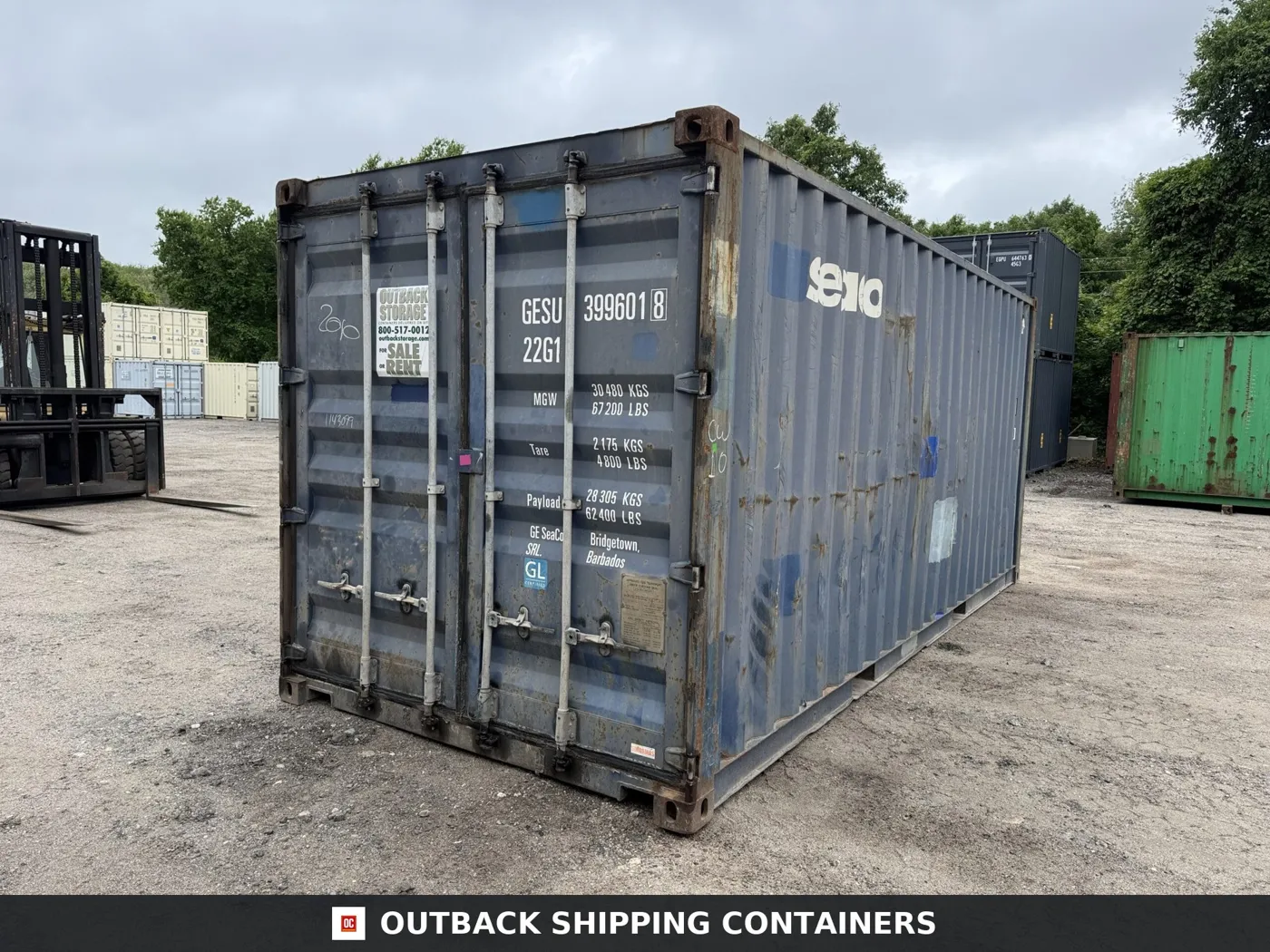
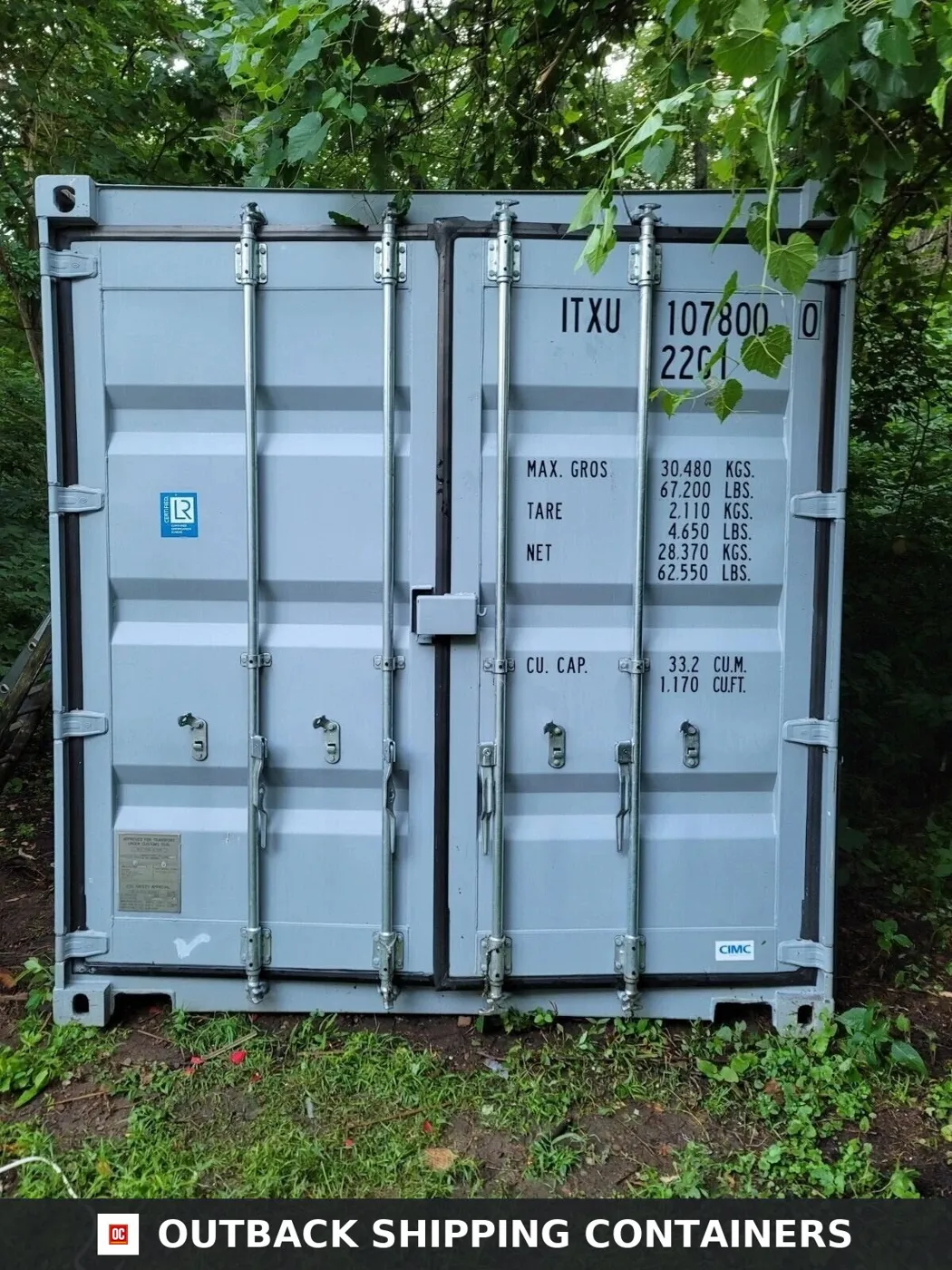
A container is called cargo-worthy when an inspection finds it still meets the structural requirements of the International Convention for Safe Containers (CSC). In practice that means the corner castings and posts are intact, the frame is square enough to stack and handle, the cross-members and floor carry load, the doors close and seal against their gaskets, and the shell keeps weather out. The proof is the CSC Safety Approval Plate riveted to the door end, which carries the approval reference, the date of manufacture and, on containers kept under the periodic examination scheme, the next examination date.
No plate, no cargo-worthy grade. That is the whole test, and it is why you can ask for it directly.
Cargo-worthy vs wind-and-watertight
These two grades get used as if they were the same thing. They are not. Wind-and-watertight (WWT) is the weaker of the two: the container sheds rain and does not whistle in a gale, but it has not been shown to pass the CSC structural inspection. A WWT box may have a bent corner post, a soft spot in the plywood floor, a door that needs a shove to latch, or patch plates over rust holes. It will sit on your yard for twenty years and keep your equipment dry. It is not going to be accepted as cargo on a vessel.
So the practical split is land versus water:
- Cargo-worthy — sound enough to be lifted, stacked and shipped. Carries a current CSC plate. Costs more than the same size WWT.
- Wind-and-watertight — dry and secure on the ground, no CSC plate, not shippable as cargo. The cheaper box for storage.
| Cargo-worthy (CW) | Wind-and-watertight (WWT) | |
|---|---|---|
| Keeps rain and wind out | Yes | Yes |
| Passes CSC structural inspection | Yes | No, or not shown |
| CSC Safety Approval Plate | Fitted and current | Missing, expired or never had one |
| Can be shipped as cargo | Yes | No |
| Typical cosmetic condition | Used, faded, often dented and patched | Used, sometimes rougher |
| Right for storage, workshops, conversions | Yes, overkill for most | Yes, the value choice |
| Typical price against the other grade | Higher | Lower |
Why it matters to a buyer
Two reasons, and only two.
You intend to ship it. If the container is going to cross water as cargo — exporting goods, moving a workshop overseas, sending a converted unit to an island — a WWT box will be refused at the terminal no matter how good it looks. Buy cargo-worthy and keep the plate valid.
You want the strongest shell on the lot. A CW inspection is a structural pass, so a cargo-worthy unit has already been checked for the things that quietly kill a container: rotten floor sections, wasted cross-members, cracked castings, a racked frame. If you are building an office, a sauna or a home out of it and you want to start from a straight, sound box, that inspection is worth paying for.
Everyone else — farm storage, a locked box for tools, a site container for materials — is usually better served by wind-and-watertight. Buying CW grade to store firewood is spending money on a certificate you will never use.
What cargo-worthy does not mean
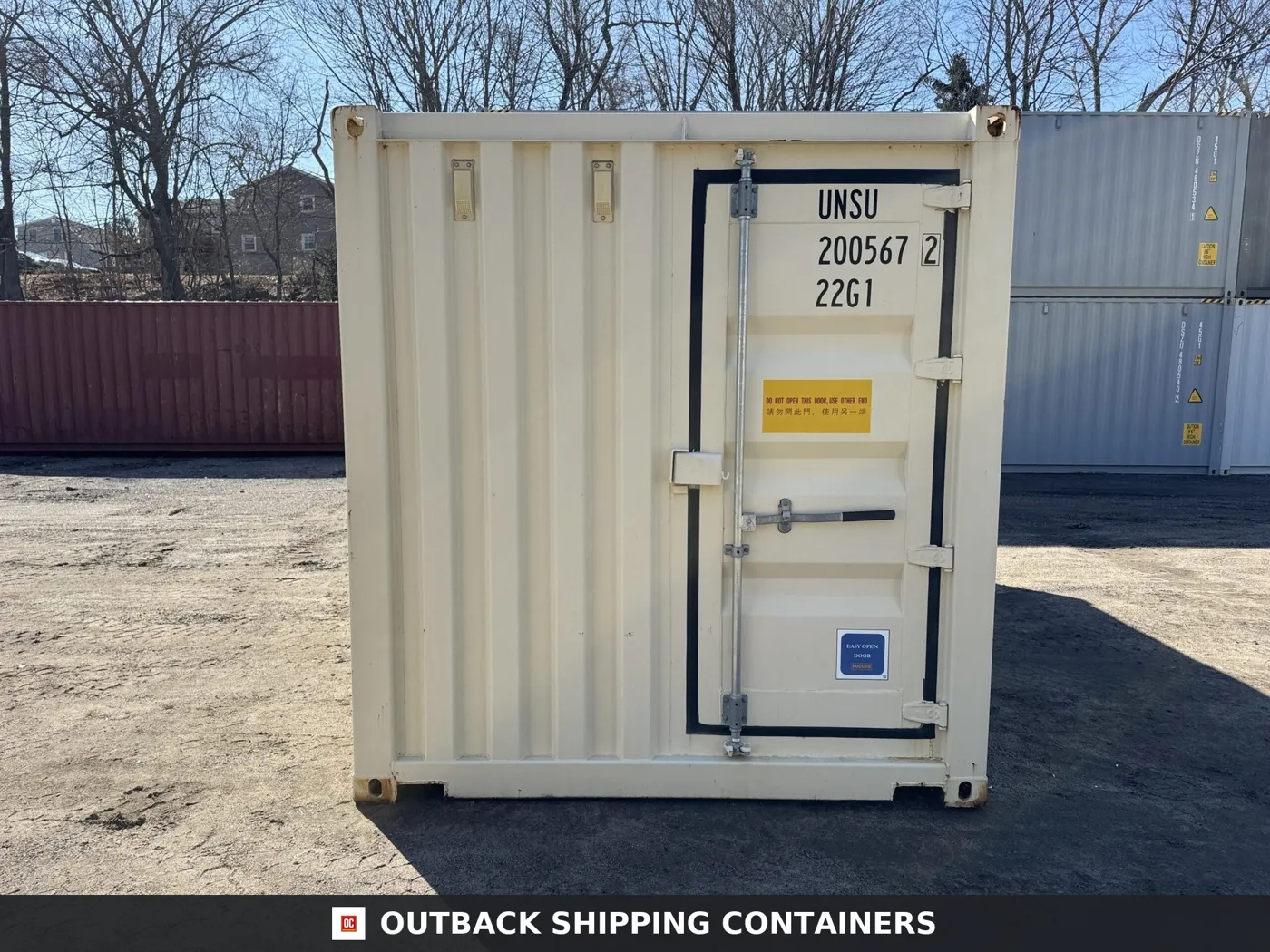
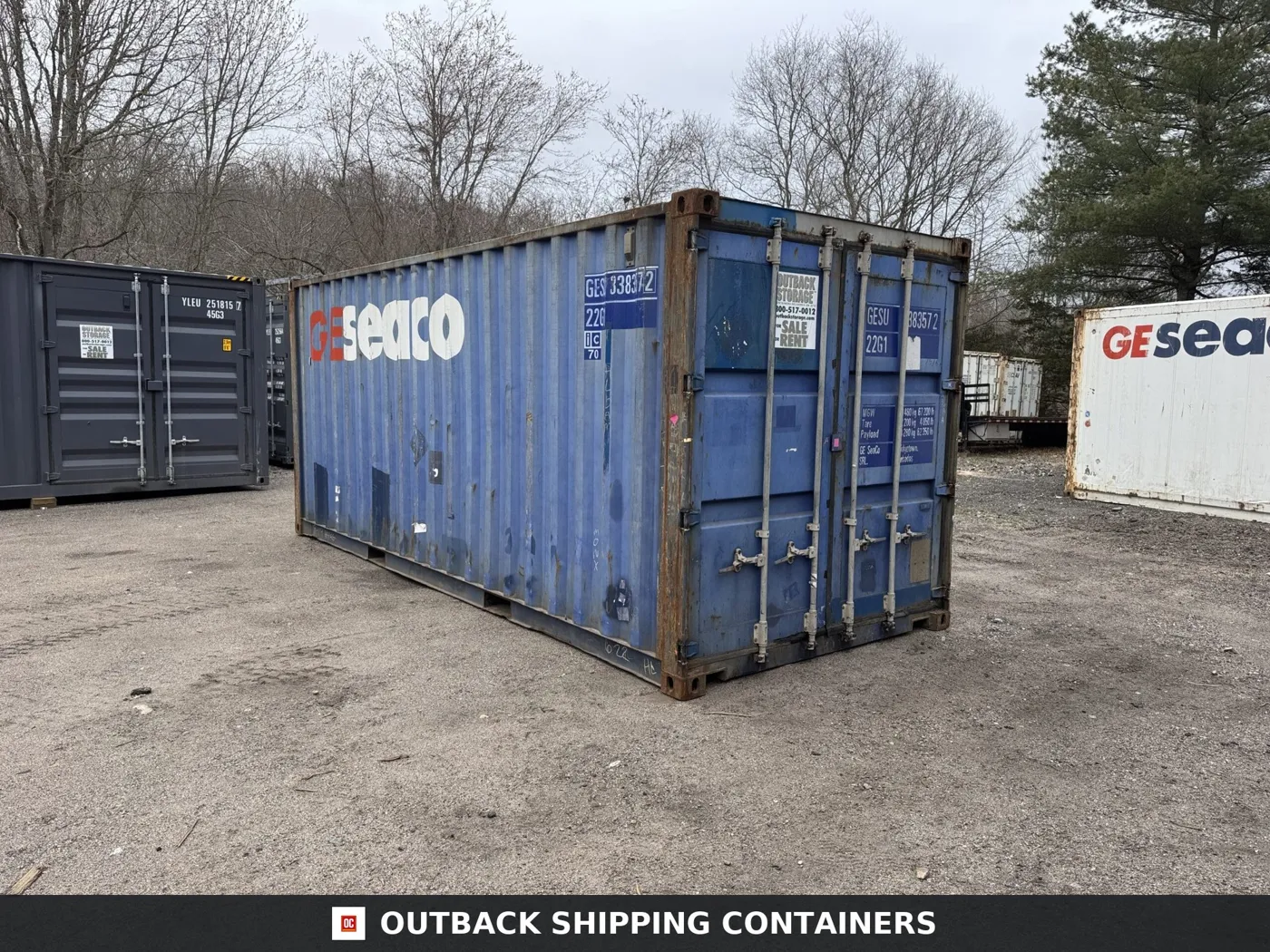
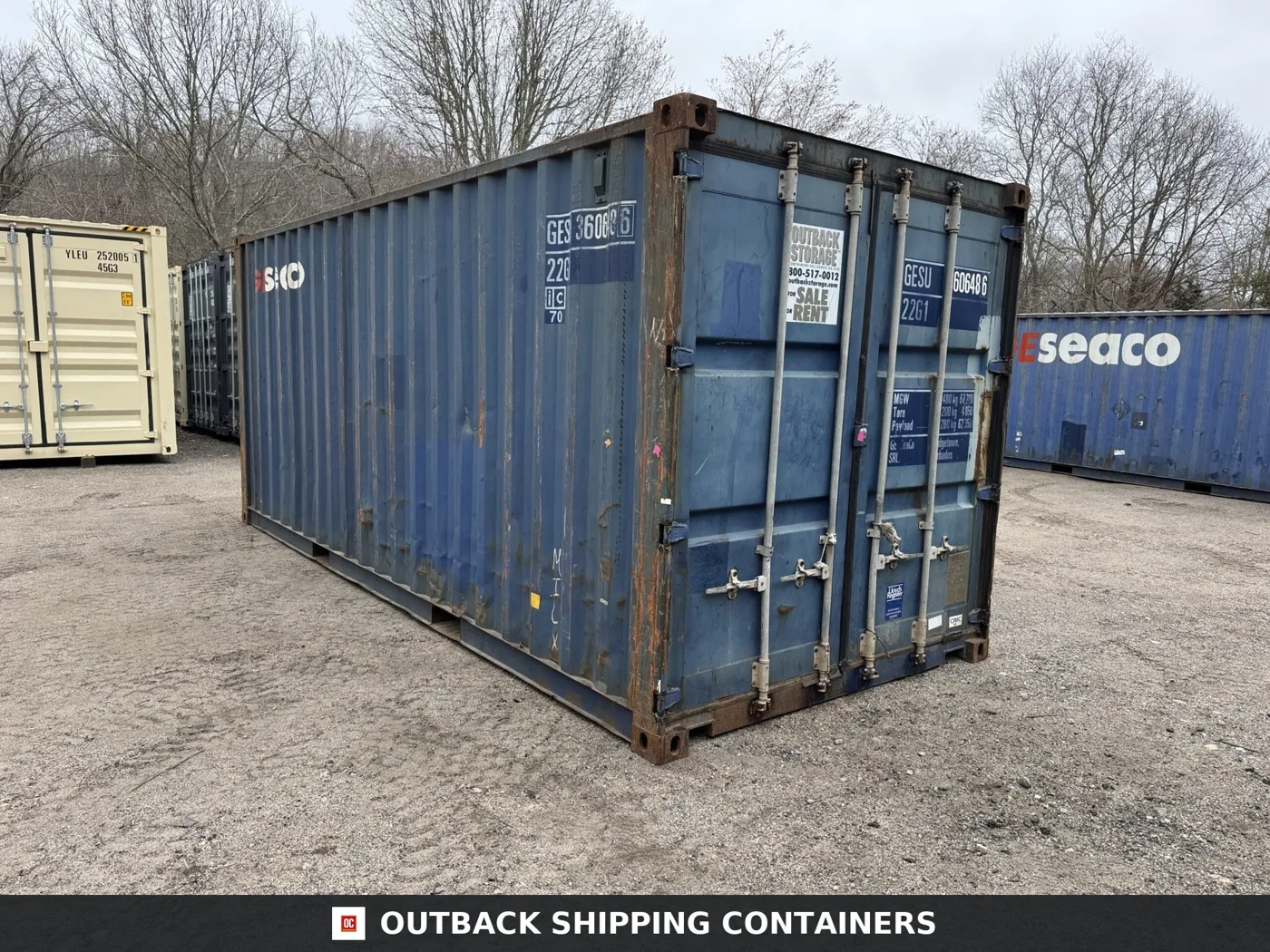
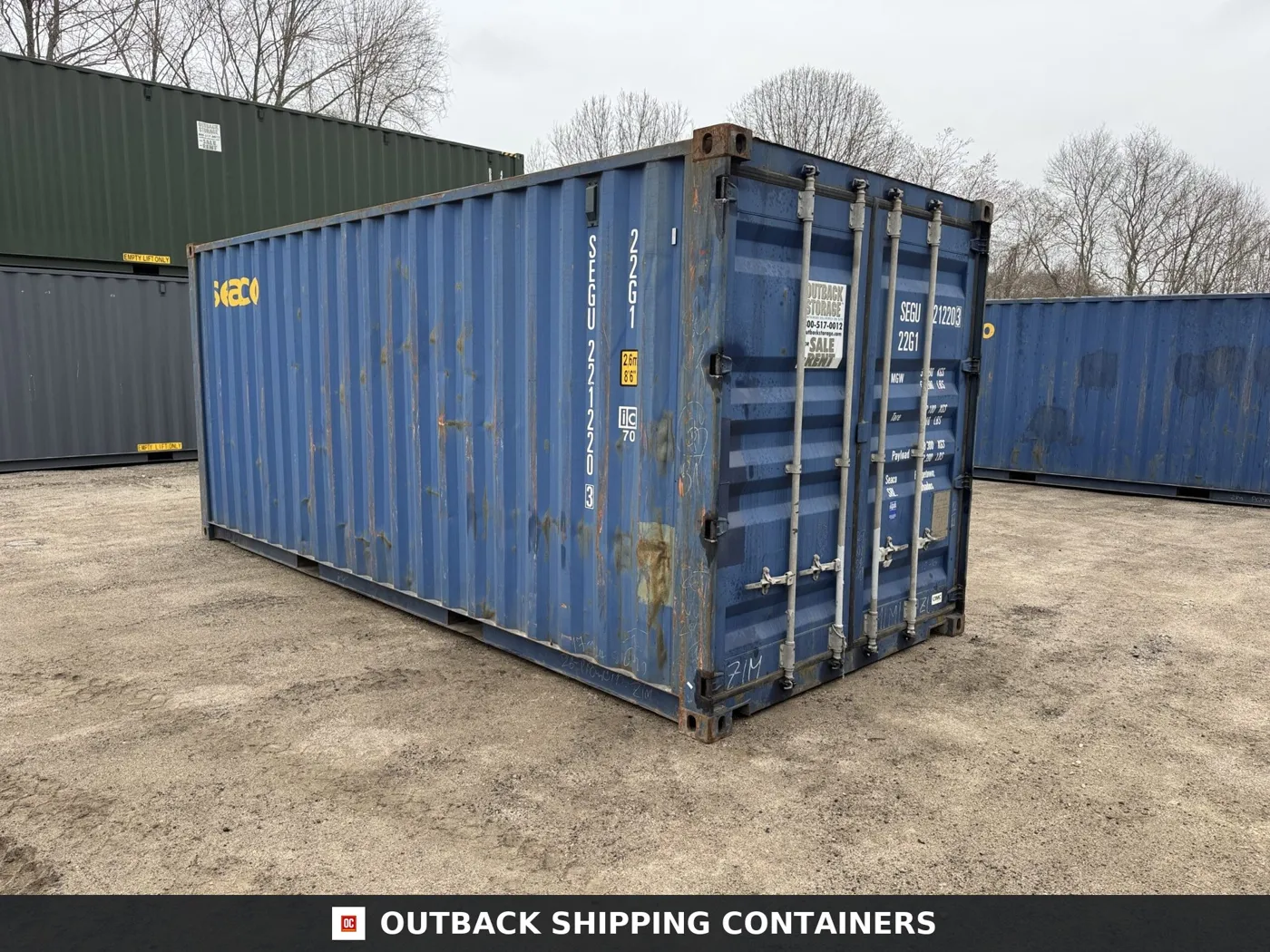
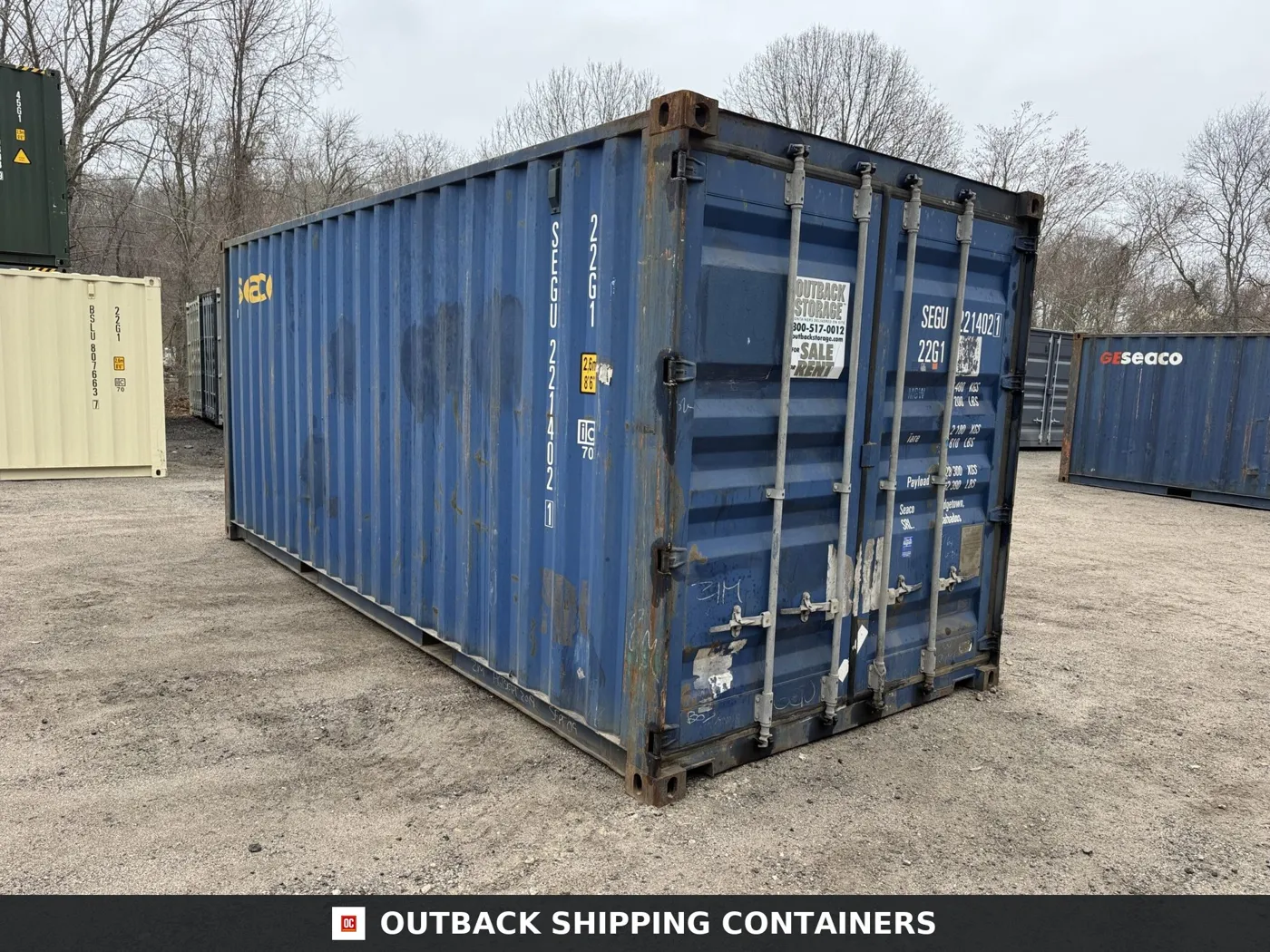
It does not mean new, and it does not mean pretty. Expect rust bloom on the roof and panels, faded paint, dents in the flat sides, freight markings from previous owners, and sometimes welded patches that were properly done. None of that fails the CSC inspection. If finish matters to you, plan on a repaint, or buy a one-trip or new unit instead — those run from 10ft to 40ft in standard and high cube and are the ones to look at when appearance is part of the job. Our guide to what used condition really means walks through the grades in order.
How to check the grade before you pay
- Ask for the CSC plate: photograph it, read the next examination date, and confirm it has not lapsed.
- Ask whether the grade came from the seller's own yard inspection or an independent depot survey.
- Check the door gaskets for perishing and the floor for soft sections near the door end, where loading damage shows first.
- Look along the top rails for sag and at the corner castings for cracks. Those are the expensive repairs.
- Confirm the listing says cargo-worthy in writing. Verbal grades are not worth much after the truck leaves.
Some units in our own catalogue are sold as wind-and-watertight with no ISO certification and no CSC plate, and the listing says so plainly. That is the honest way to do it: you should never have to guess which grade you are buying. Every order is reviewed by hand before payment, so if you are unsure which grade fits the job, say so in the notes and we will tell you rather than sell you the wrong box.
Does a WWT container ever become cargo-worthy?
Rarely worth it. A container fails the structural inspection for reasons that live in the frame and castings, and repairing those costs more than the difference between the two grades. If you need CW, buy CW.