Where the term comes from
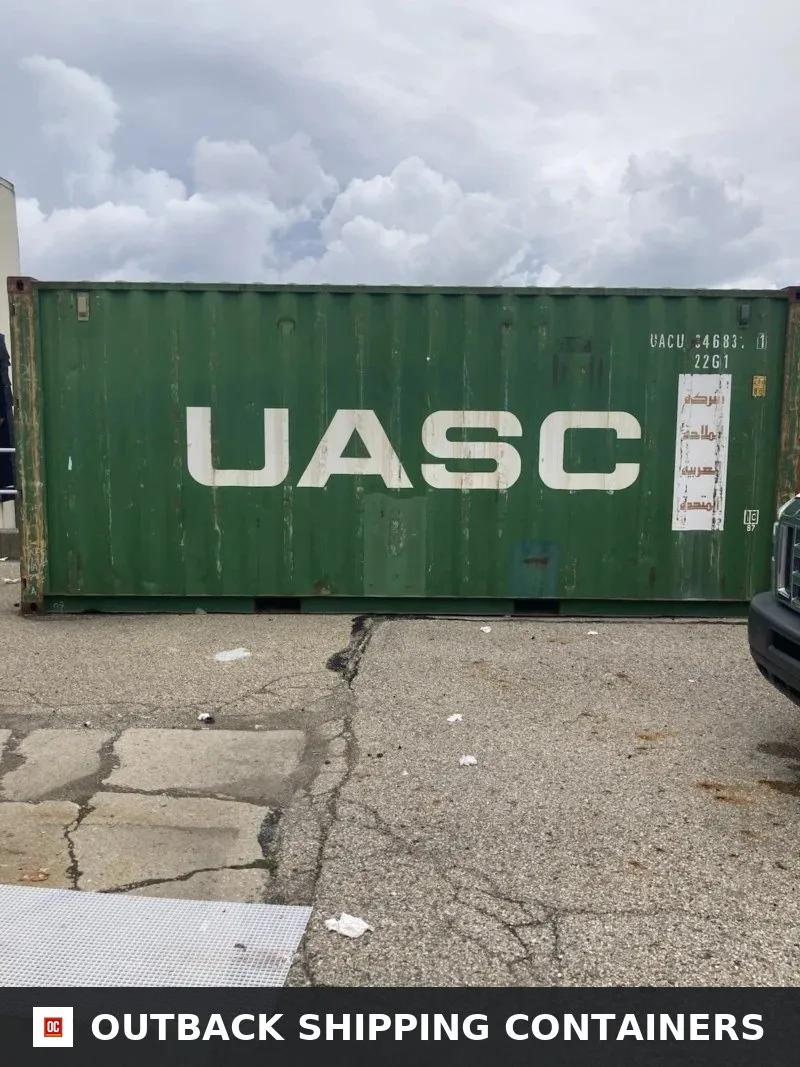
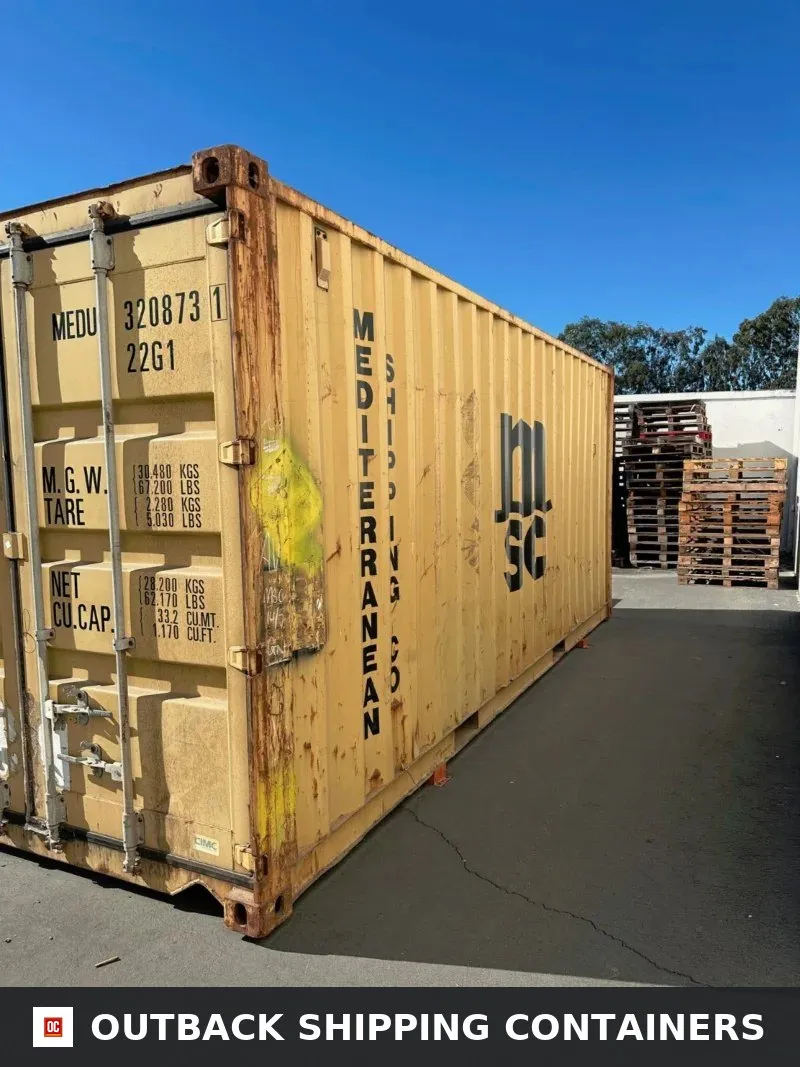
A container earns its living stacked eight high on a vessel, lifted by its corner castings, and it needs a current CSC plate to be loaded. When a box comes out of shipping service that plate lapses. The steel is still sound and the box is still a good shed, but it is no longer a certified cargo carrier. Yards needed a word for that middle state, and wind and watertight is it: still sealed, no longer certified.
What a WWT grade actually promises
Five things get checked, and all five have to pass:
- Roof — no holes, no rust-through, no open seams along the rails.
- Walls and panels — no splits or punctures between the corrugations.
- Doors — both leaves swing, line up and latch, and the locking bars engage.
- Gaskets — the rubber door seals are intact and flexible, and they compress when the doors shut.
- Floor — the plywood is sound, with no rot or delamination, especially at the door end where forklifts and standing water do their damage.
The physical test is simple and you can run it yourself: shut the doors, stand inside on a bright day, and look for daylight. Any daylight is a hole. No daylight is the baseline for WWT.
What it does not promise
This is the part buyers get wrong, and it is where the money goes.
- No CSC plate, no export. A WWT box gets refused at a terminal however well it looks. If the container has to cross water as cargo, you need cargo-worthy grade, and that is a different assessment.
- No third-party survey. WWT is the seller's own yard inspection, not a certification issued against a convention. Two sellers can mean different things by the same three letters. Ask who inspected it and what they checked.
- No structural guarantee. A bent corner post, a racked frame or a cracked casting can pass a weather check and still rule out stacking under load, or building on without repair.
- No cosmetic promise. Dents, surface rust, faded paint and the previous owner's markings are normal and expected. Welded patch plates are acceptable as long as they are sealed.
- No control over heat, cold or humidity. WWT keeps rain out. It does nothing about condensation forming on the underside of a steel roof when a cold box meets warm, moist air.
On a new container the label means something different
New and one-trip units are often listed as wind and watertight because a factory-built box is sealed by definition — the term is being used as a description, not a grade. On a used listing, WWT is telling you the box has been inspected and found dry. Read which one you are looking at before you compare prices, because the two are not the same purchase.
Who a WWT container suits
Anyone who needs a dry, lockable steel box on the ground and nothing more. Farm and yard storage for equipment, feed and firewood kept off the dirt. Tools and materials locked up on a job site. Inventory overflow behind a shop. A workshop shell you intend to line out, wire and insulate. A conversion project where the frame is going to be re-clad or built over anyway. In all of those cases a current CSC plate buys you a certificate you will never show anyone.
Who should buy a different grade
Buy cargo-worthy or one-trip if the container is going to sea as cargo, if an inspector, lender or insurer will ask for documentation, or if you need to stack loaded units. Buy a straighter, newer box if the container is the finished structure rather than the shell of one — a home, an office or a sauna carries loads and takes openings that a tired frame handles badly.
How to check one before you pay
- Run the light test yourself, or ask for photographs taken inside with the doors closed.
- Press the door gaskets with a thumb. Perished rubber that has gone hard will not seal, and replacing gaskets is a job.
- Walk the floor, particularly the last two feet inside the doors, and listen for soft spots.
- Look along the top rails for sag and at the corner castings for cracks. Those are the repairs that cost real money.
- Ask directly whether the unit has patches, and where. A sealed patch is fine; an unmentioned one is not.
- Get the grade in writing on the order. A verbal WWT is worth nothing once the truck has left the yard.
Every container we sell is reviewed by hand before payment is taken, and freight is quoted after that review, so the delivered cost is confirmed before you commit rather than after. If you are not sure whether your job needs WWT or cargo-worthy, say what you are storing and we will tell you which grade fits instead of selling you the dearer one. Start with the shipping containers we stock, read how delivery works, or send the question to us through contact.