Why there is no rate card
A 20 ft container dropped on a paved lot in Auburn and the same container dropped at the end of a camp road in Ellsworth are different jobs, even though the steel is identical. One is a truck that arrives, tilts, slides the unit off and leaves. The other may need a smaller trailer, a transfer to a second truck, or a crane at the far end.
So Northern reviews every order by hand and puts the freight into the written quote before payment is arranged. Catalog prices exclude delivery unless a listing or the written quote expressly says otherwise, so plan your budget from the quote, not from the price on the product tile. Delivery and site preparation sets out what the quote covers and who supplies what.
The five things that move the number
In rough order of how often they decide whether a delivery is straightforward or expensive:
- Site access. A tilt-bed truck needs to arrive in a straight line and has to be able to leave. Long driveways, narrow gates, low wires, steep grade and soft ground all add handling.
- Distance from Turner. Real road miles, plus the driver's day and the carrier's willingness to send a truck at all.
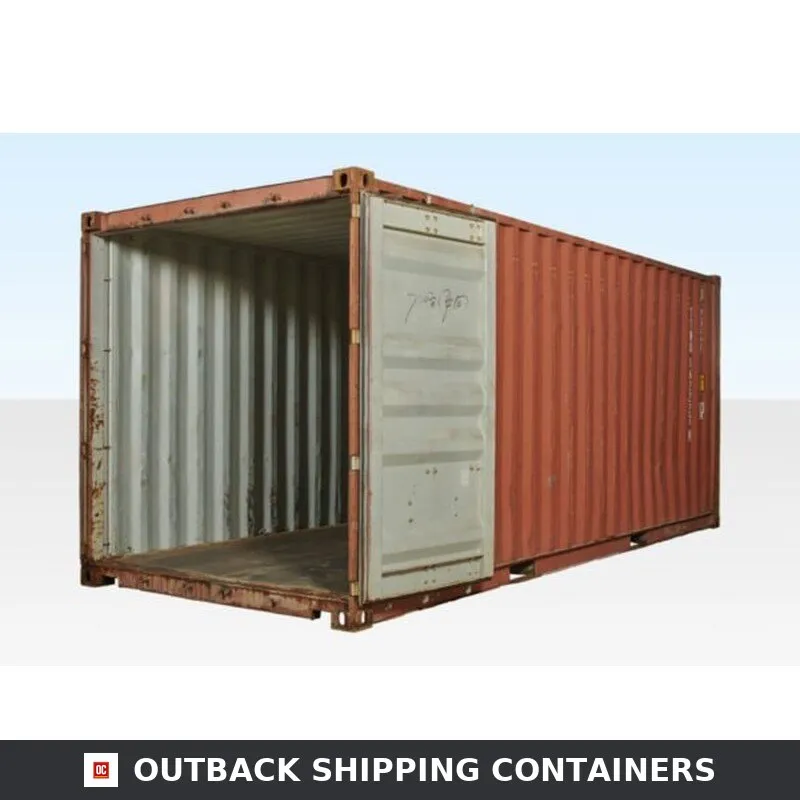
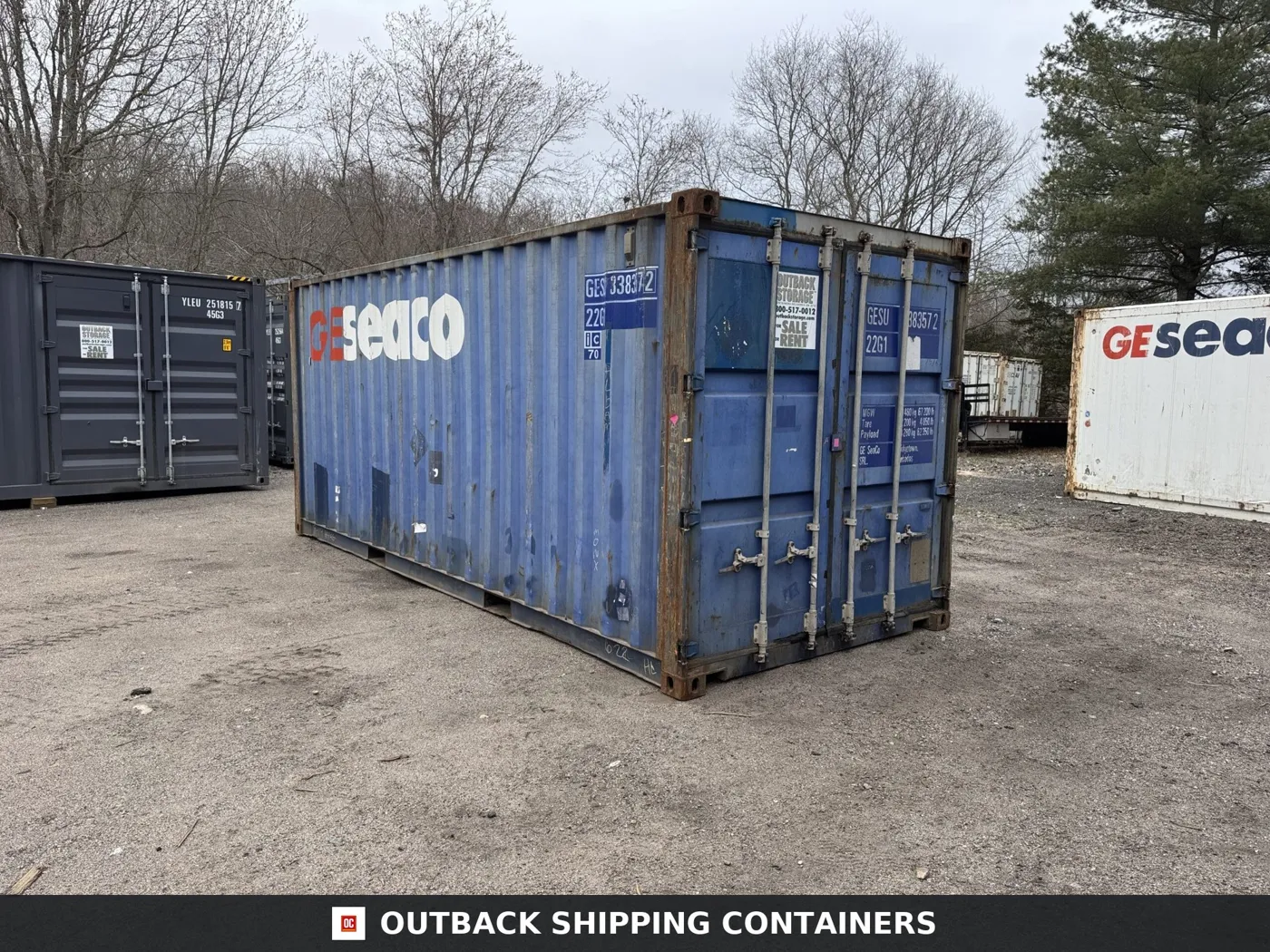
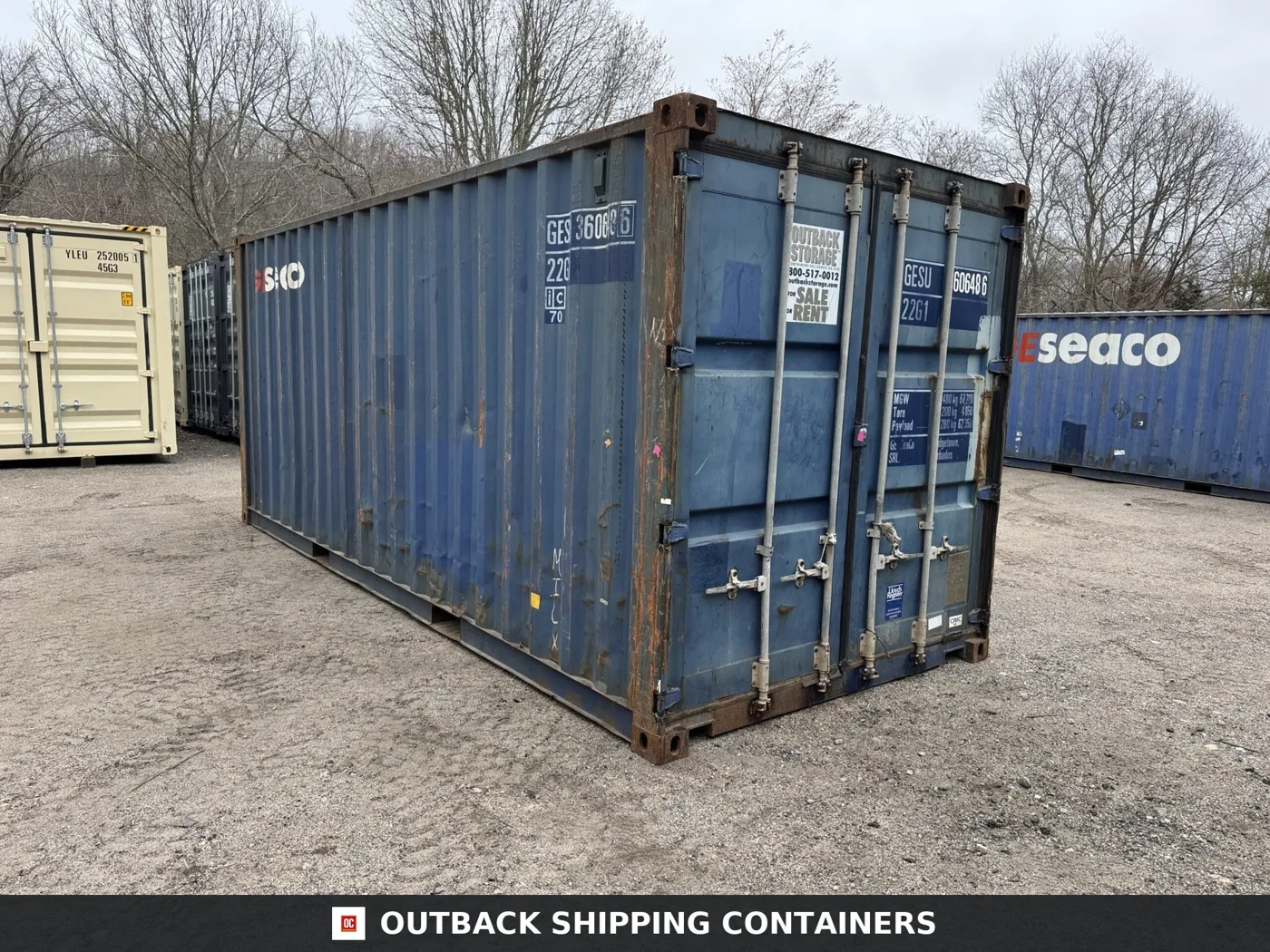
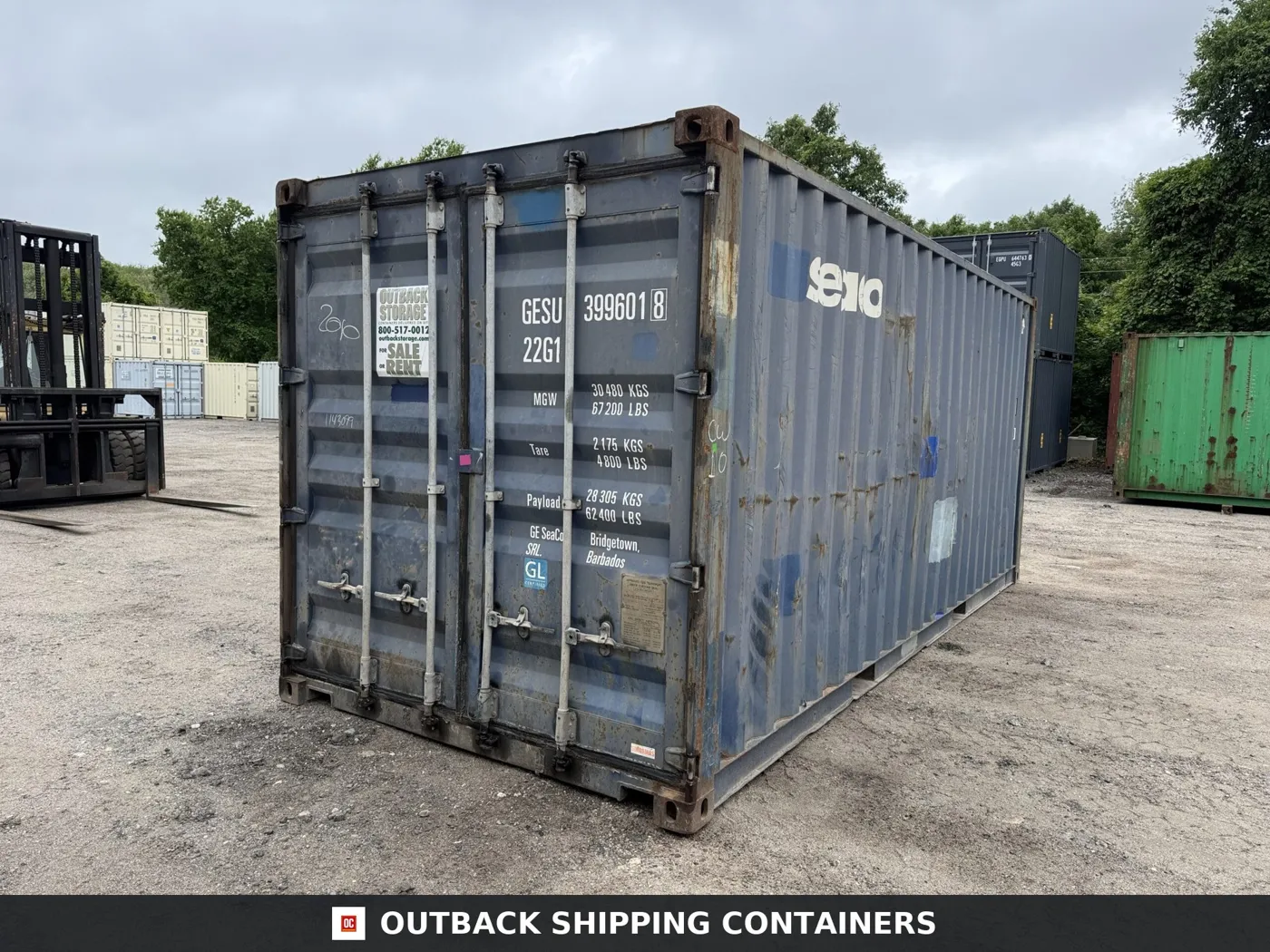
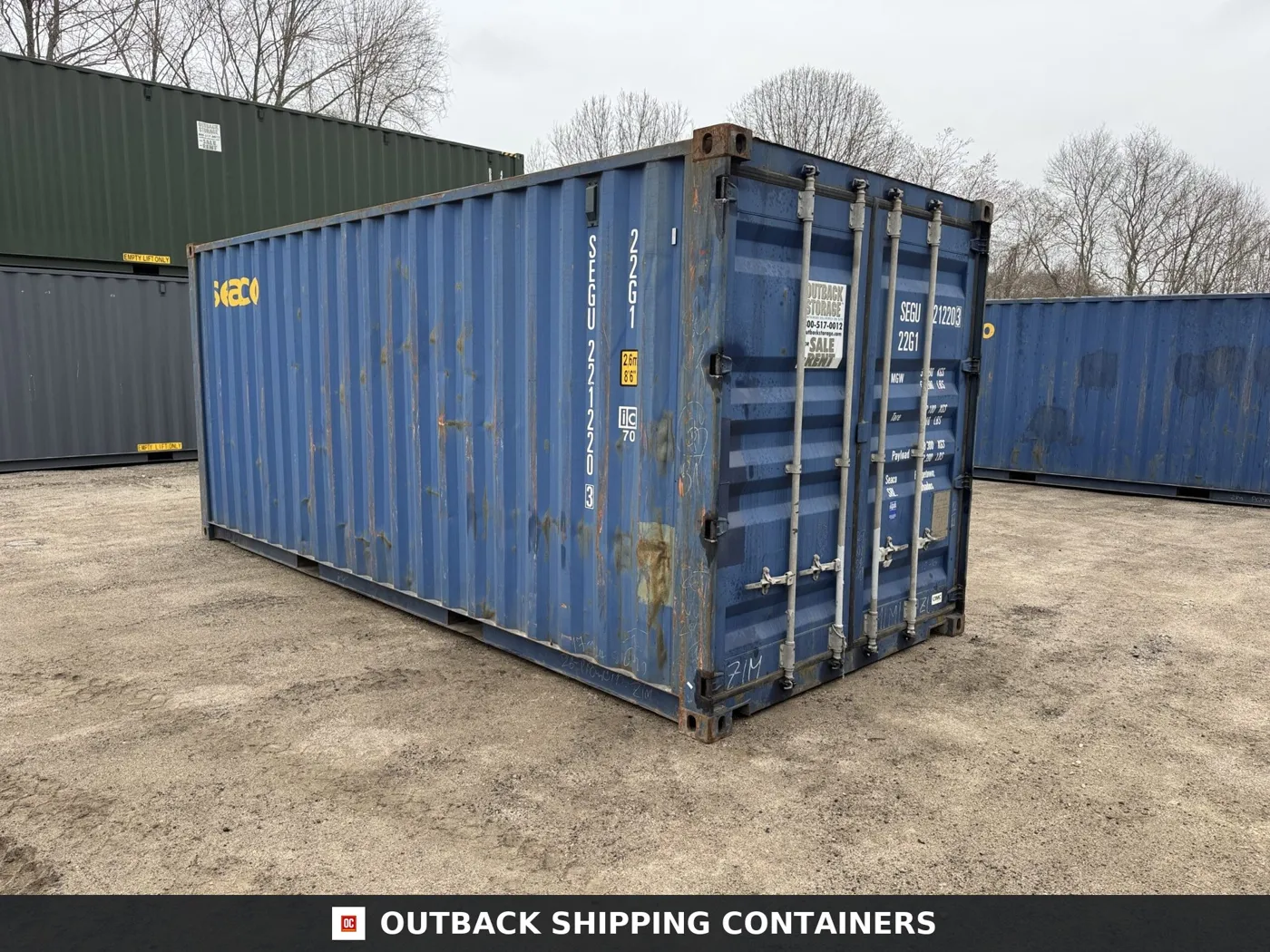
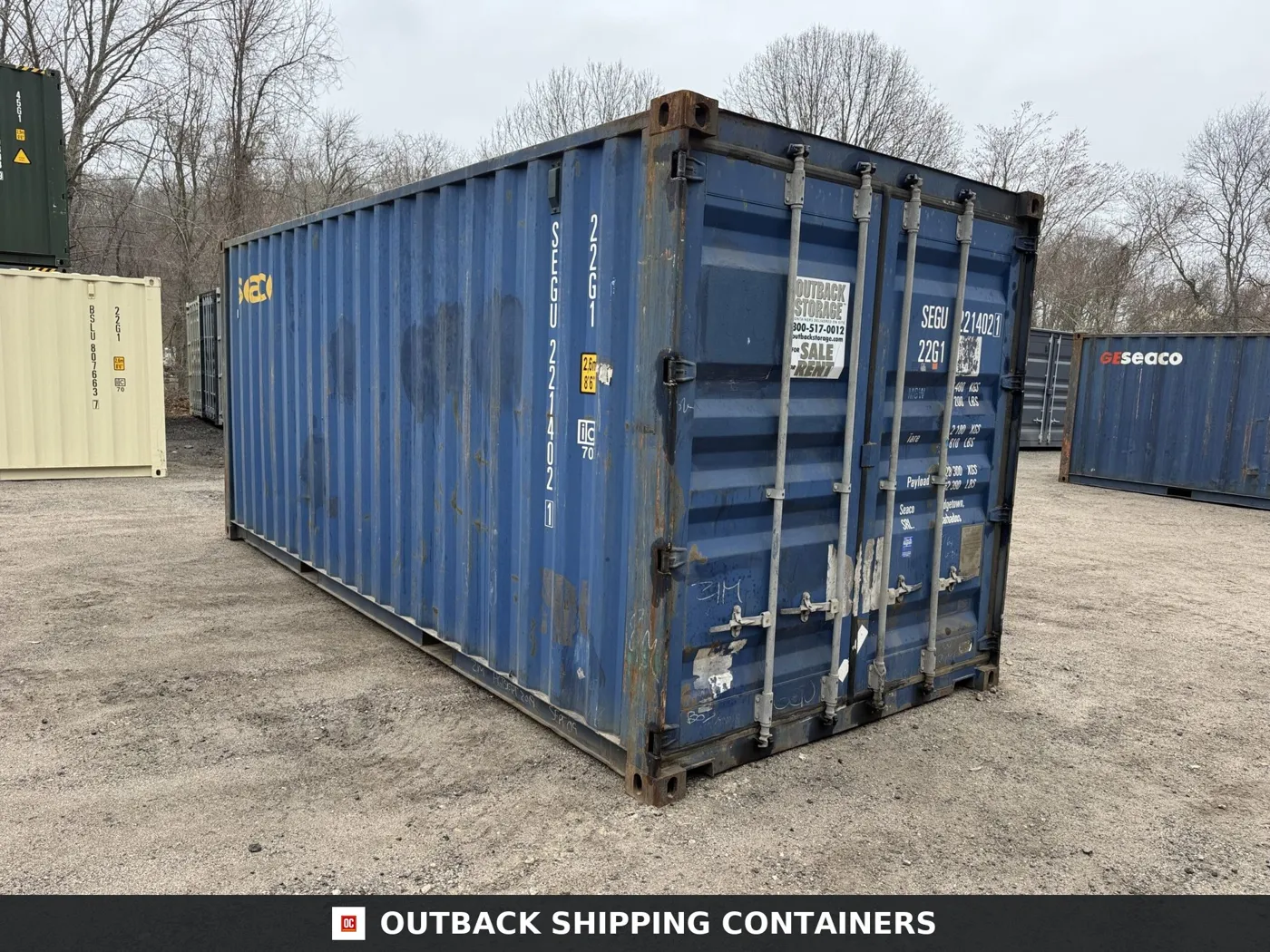
- Container size and weight. A 20 ft standard unit runs about 4,850 lb empty. A 40 ft is roughly 8,300–8,600 lb before anything goes inside it. Weight and length both pick the trailer.
- Unloading method. Tilt-bed, boom truck, forklift or crane. Each has its own cost and its own site requirements.
- Season. Spring road postings, mud and snow change routes and timing in this state more than most buyers expect.
Road miles from the Turner yard
Distances below are road miles on the shortest driving route. A truck route with height or weight limits can add a few miles, which is one reason the quote is tied to the address and not to the town.
| Destination | Road miles from Turner | What it means for freight |
|---|---|---|
| Lewiston–Auburn | About 12 | Shortest haul we run. Lowest freight, easiest to fit into a day. |
| Augusta | About 33 | Short run on state roads. Usually a same-day drop. |
| Portland | About 50 | Highway most of the way. One truck, one day. |
| Waterville | About 52 | Similar to Portland in mileage, with more rural road at the end. |
| Rockland | About 76 | The last stretch is two-lane. Narrow shoulders and farm entrances slow the run. |
| Bangor | About 105 | Line-haul territory. Driver time starts to weigh as much as fuel. |
| Ellsworth and Downeast | About 115 | Longer run, thinner carrier capacity. Booking further ahead helps. |
| Boston | About 150 | Interstate haul out of state. Capacity is better, distance is not. |
| Presque Isle and Aroostook | About 265 | The longest in-state run. Fewer trucks available, and spring postings bite hardest up north. |
Under about 60 miles the freight is mostly dispatch and driver time, and the size of the container matters less. Past about 100 miles it becomes a line-haul job: the carrier is committing a truck for most of a day, and that commitment is the price.
Site access usually costs more than miles
The container is 20 or 40 ft long, but the truck carrying it is longer and cannot bend. For a tilt-bed drop, plan on roughly 60 ft of straight, clear run for a 20 ft container and somewhere between 100 and 130 ft for a 40 ft. Those are planning ranges, not rules, and the carrier confirms what their equipment needs for your order.
Check these before you send the address:
- Gate and lane width. Measure the narrowest point, not the widest. Fence posts, mailboxes and stone walls all count.
- Overhead. Wires, branches and building overhangs. The bed raises before the container moves.
- Ground. Firm, dry and level, strong enough for the loaded truck as well as the container. Gravel over a compacted base is fine; a lawn in April is not.
- Room to leave. A truck that backs in has to pull out. Long single-lane driveways with no turnout are the most common reason a drop gets rescheduled.
If access is tight, the answer is often a smaller trailer, a transfer at the road, or a crane. All three cost more than a clean tilt-bed drop, and all three are cheaper to arrange before the truck rolls than after it refuses. Site preparation covers pads, blocking and drainage.
Spring and winter change the plan
Every spring MaineDOT decides whether to post weight restrictions on state and state-aid highways while the frost goes out, and towns post their own local roads. A loaded container truck is exactly the kind of vehicle those postings are aimed at. If your road is posted, the delivery either waits, reroutes, or needs a permit.
The same thaw turns gravel yards and farm lanes to soup. Frozen ground in January holds a truck well; the same ground in late March does not. Snow adds its own problems: unplowed driveways, plow banks at the gate, and carriers running a day behind after a storm. None of that is a reason to delay a purchase, but it is a reason to build a few days of slack into the schedule between November and April.
What the freight quote does not include
Freight is transport. It does not cover a crane, a forklift, inside delivery, precise positioning, foundations, utility connections or permits unless the written order says so. Waiting time, storage and redelivery can also be charged when the carrier arrives and cannot safely unload because the access information was wrong, so the details you send up front protect you as much as they help us. Shipping policy lists the full set of terms.
How the timing works
Stocked units normally enter handling within 1–3 business days of cleared payment. Carrier transit is usually 3–7 business days, so most orders arrive in 4–10 business days. That is an estimate, not an appointment, and the delivery window is confirmed before dispatch. Do not book an electrician, a foundation crew or a crane for a fixed date until the appointment is confirmed.
What to send for an accurate number
- The full delivery address, including any unit or lot number, and the town's name as the post office knows it.
- The unit you are considering — length, height and condition grade. See the shipping container range.
- A photo of the drop spot taken from the road, and a photo of the gate or driveway entrance.
- Rough measurements: gate width, driveway length, overhead wires or branches.
- What the ground is — pavement, gravel, lawn, dirt — and whether it is level.
- How you expect it to be unloaded, and whether you have equipment on site.
- Whether the unit is for storage or for occupation, since that changes permits and site work.
Send that to contact and project quotes and the freight comes back in writing with the rest of the order.
Related reading
For what happens on the day, the frequently asked questions cover payment, claims and condition grades, and the buyer's guide walks through choosing a unit before you price delivery.