Biddeford and Saco sit across the Saco River from each other at the mouth of York County, and the two cities ask different things of a container buyer. Biddeford has the old mill blocks and the tight streets around them, plus the coastal villages at the Pool. Saco has the wider commercial strips off Route 1 and the river and beach neighborhoods that flood in a big spring tide. The right unit and the right drop spot follow from which of those you are on.
The run from Turner: about 60 miles, Exit 32 or Exit 36
Our yard is at 2002 Auburn Rd in Turner. The route south is simple: Auburn Road down into Auburn, on at the Turnpike interchange (Exit 75), then the Maine Turnpike south past Gray and Portland. Saco is Exit 36, Biddeford is Exit 32 a few miles further on. That is about 61 or 62 miles and roughly an hour and a quarter in a car. A loaded truck with a container on the deck runs slower and pays the Turnpike tolls, so budget closer to an hour and a half before the driver starts working the unit off.
Because the whole run is Turnpike, this is a straightforward freight lane for us. There is no ferry, no island, no seasonal road closure between Turner and York County. What varies is the last quarter mile at your end, and that is where a delivered price gets made or lost.
Biddeford: mill district streets and the Pool
Around the mill blocks and the older residential grid off Main and Alfred Streets, the constraint is almost never the container. It is the approach. Narrow one-ways, parked cars on both sides, low utility lines and a fence line that has to come down first will stop a tilt-bed truck, and a driver who cannot set the unit down cleanly will not force it. On those lots a 10ft or 16ft unit often works where a 20ft will not, and the drop point may have to be the street with the container skidded or rolled in on bars.
Out at Biddeford Pool, Hills Beach and the lanes behind them, it is the opposite problem: plenty of open ground, narrow seasonal roads, sand under the wheels, and neighbors who care where it sits. A 20ft is the usual answer for a summer place that needs somewhere to lock up gear and a boat's worth of equipment out of the weather. Tell us the street and we will look at the access before quoting.
Saco: wide corridors, wet ground
Saco's commercial frontage along Route 1 and the industrial park side is the easy delivery in the two cities — long straight runs, room to turn, hard ground. That is where most contractor and trades storage goes, and it is where a 40ft makes sense because the truck can actually get to it.
The river and beach ends of Saco are a different calculation. Ground near the river and the low lots toward Camp Ellis and Ferry Beach can be soft in spring and wet after a storm, so the unit needs to sit on a proper pad above grade rather than on bare dirt. A container that sits in standing water rusts from the bottom rail up, and that is a short life for a unit you just bought.
Sizes and grades that fit the work
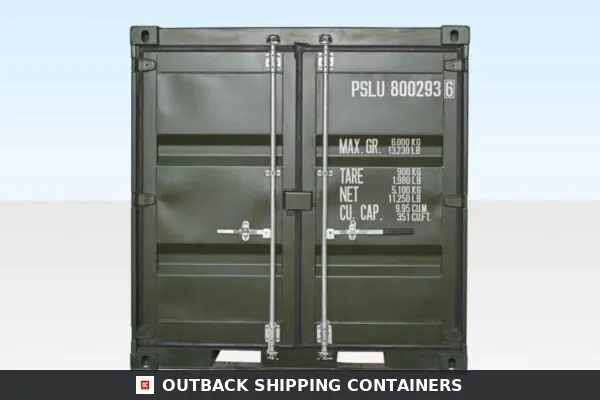
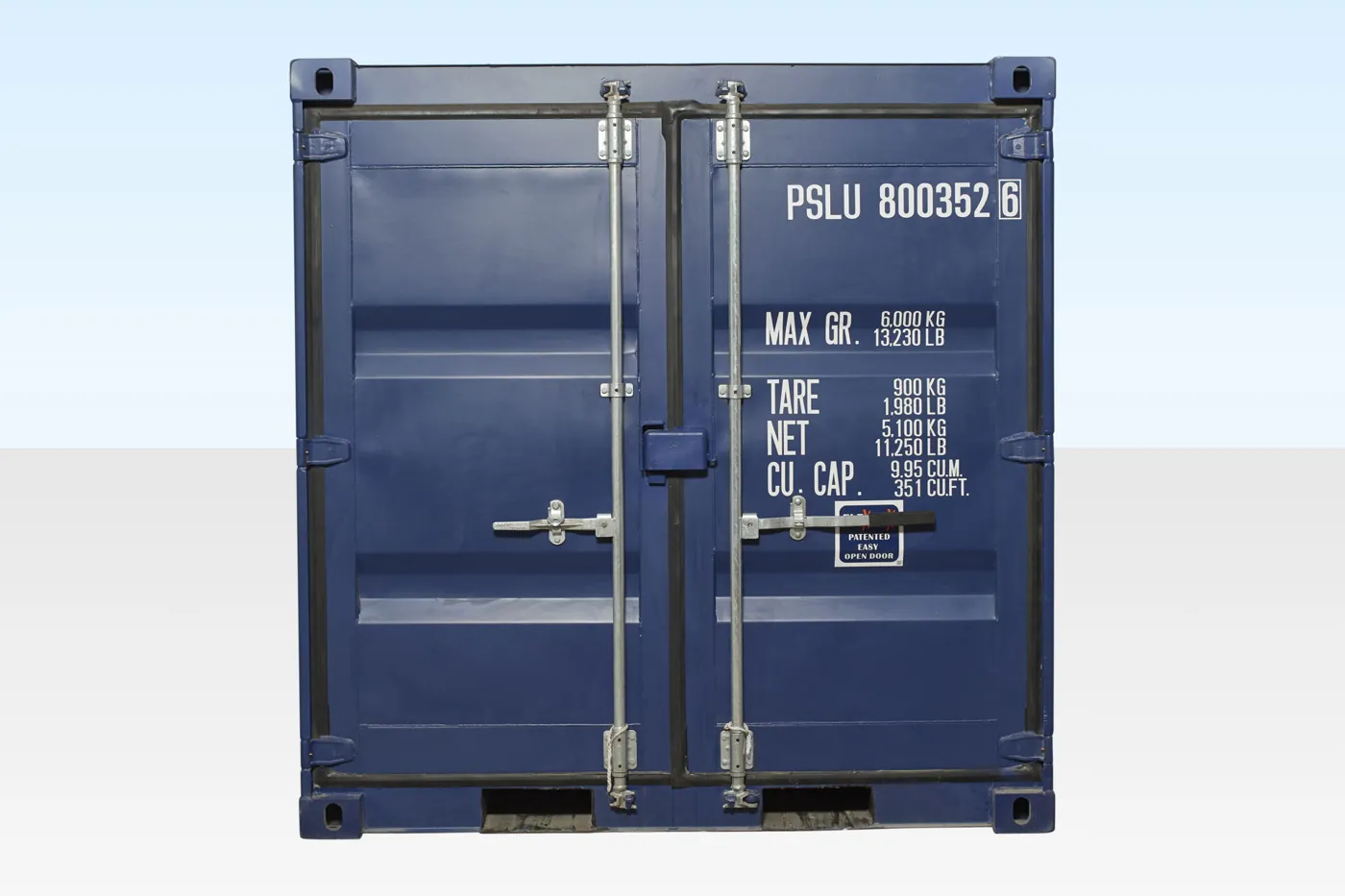
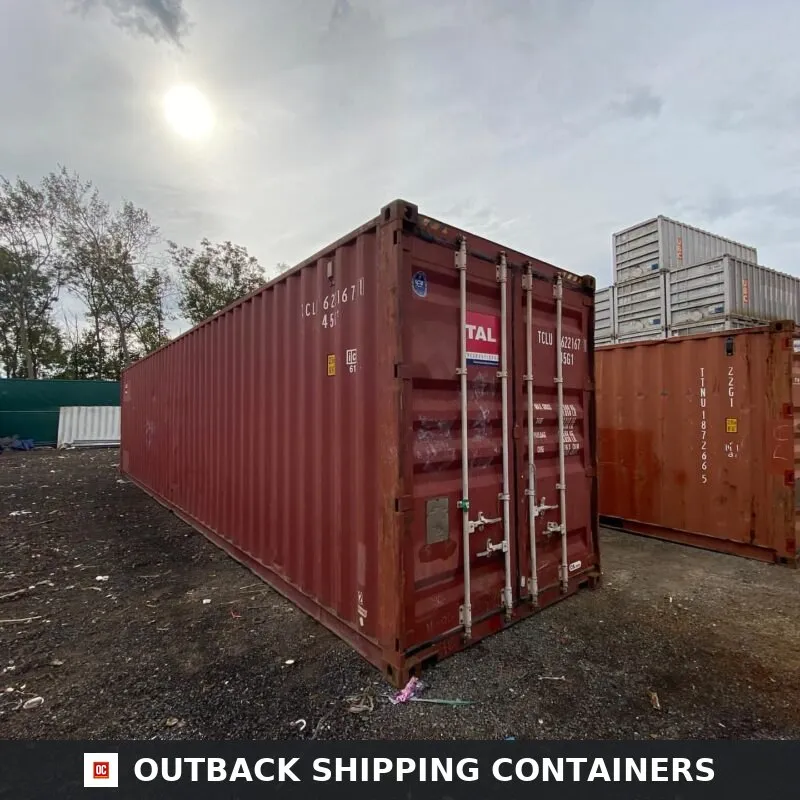
- 20ft standard — the workhorse for a contractor, a shop, or a camp. Fits a tight Biddeford lot and still holds a full pallet run.
- 40ft standard — best value per square foot when you have the approach for it, which usually means the Route 1 side of Saco.
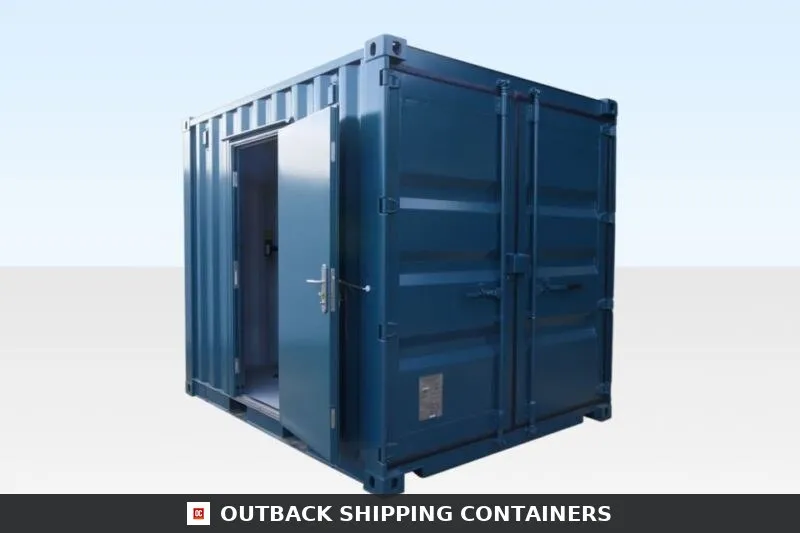
- 10ft and 16ft cut-downs — for back lots, mill-district alleys, and single-boat storage where a 20ft blocks the yard.
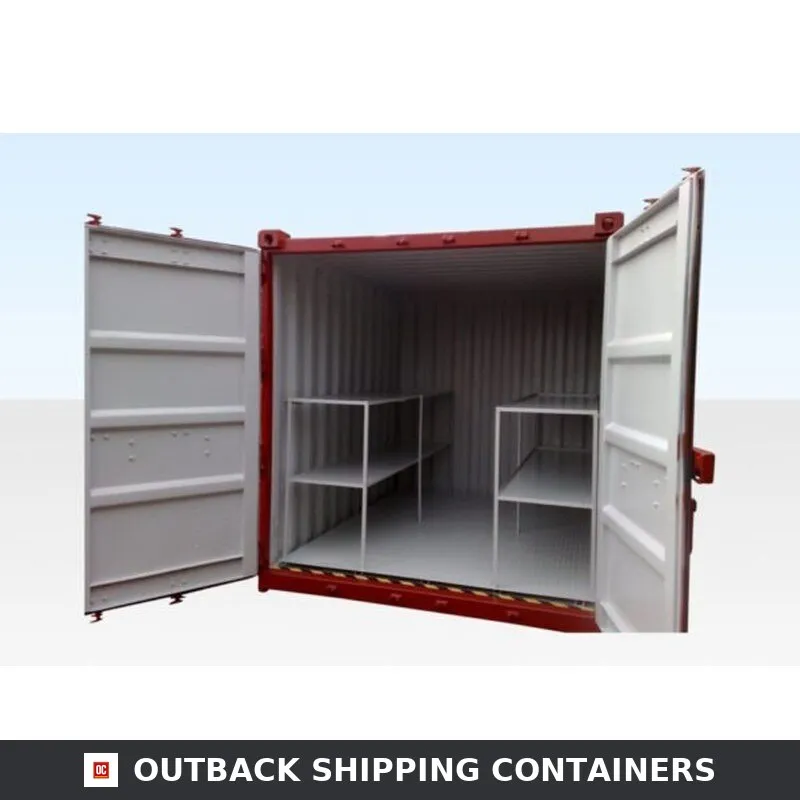
- High cube (9ft 6in) — extra headroom for shelving, a mezzanine, or anything you plan to walk into and work in.
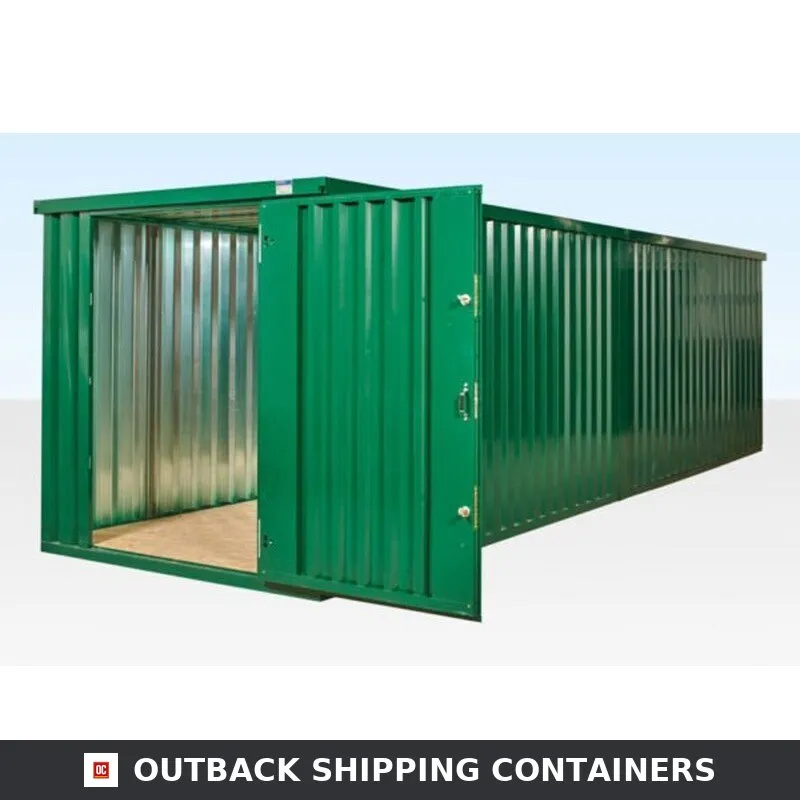
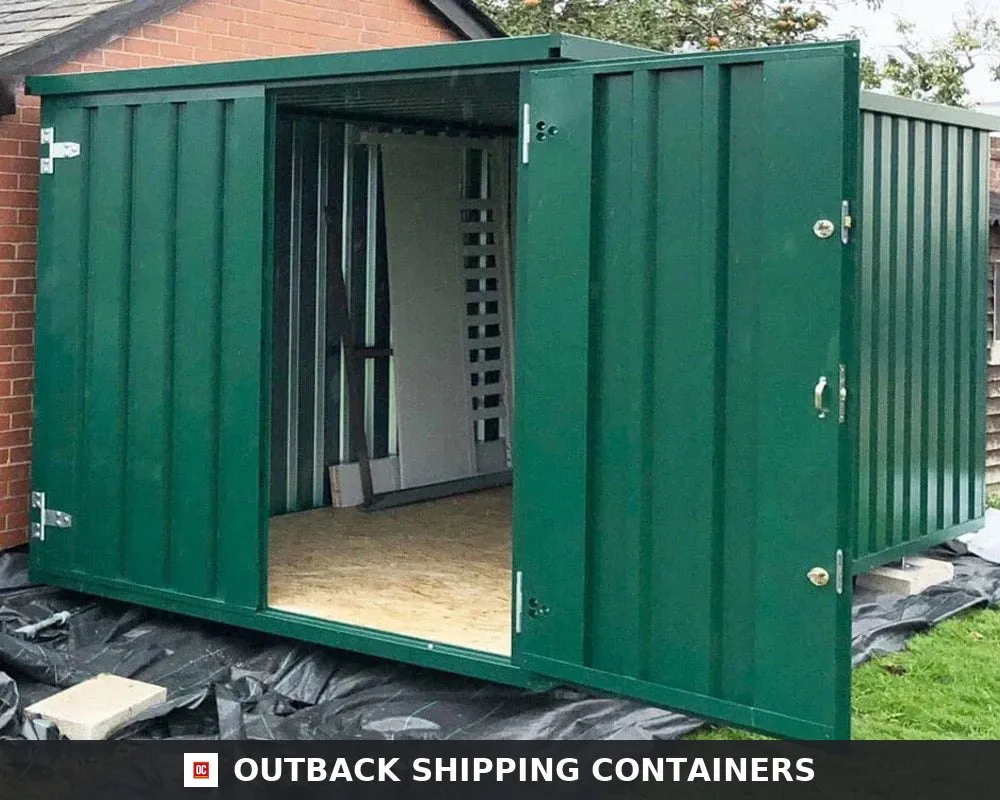
- Double door and open side — for long stock, lumber, pipe and equipment you want to load from the side rather than the end.
- Refrigerated — insulated box for anything that cannot freeze or cannot get warm, useful for a seafood or farm operation.
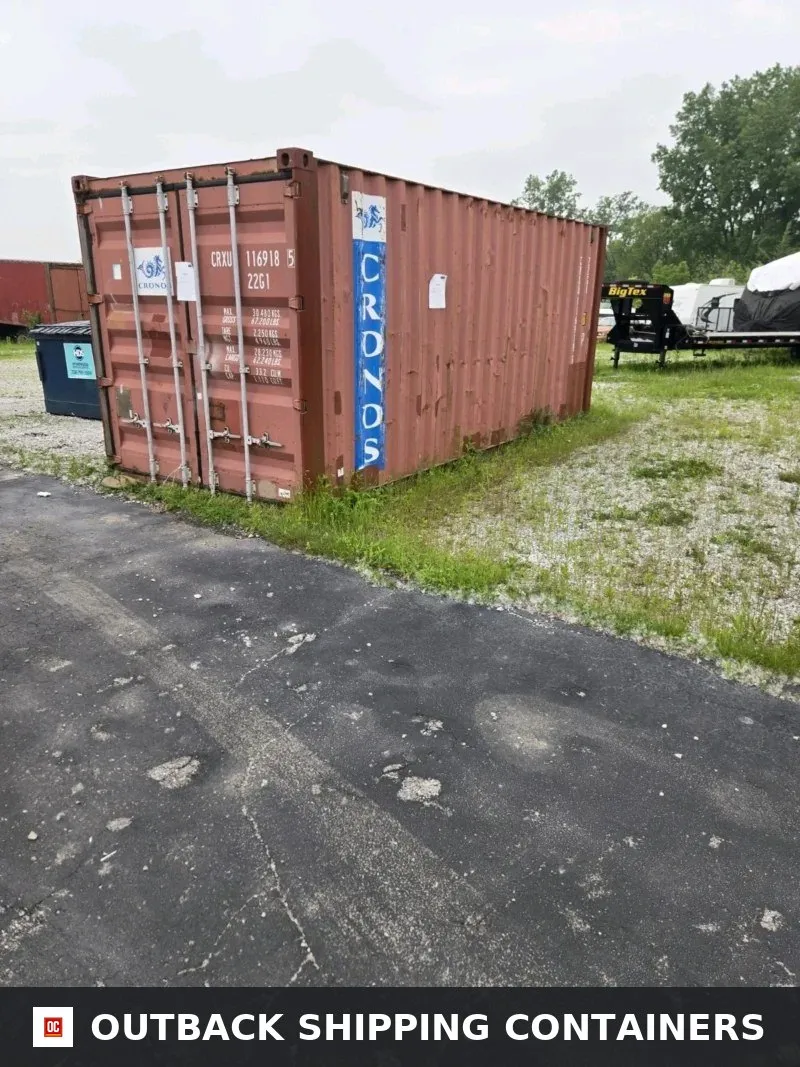
Grades run from one-trip units that look nearly new, through cargo-worthy and wind-and-watertight, down to used storage grade at the lowest cost. On the coast, the salt air is the thing to think about. A cheaper used unit with surface rust on the roof and doors will keep getting worse faster in Biddeford than it would in Turner, so look at the roof, the door seals and the bottom rail before you decide that the lowest price is the cheapest way in. Our buyer's guide walks through what each grade actually gets you.
Site prep before the truck arrives
A container is a 5,000 to 8,000 lb steel box before you put anything in it, so the ground has to hold it evenly. Most jobs here want a level, compacted pad of crushed stone, or timber cribbing or railroad ties under the four corner castings, with the unit sitting an inch or two clear of the soil so air moves under it. Leave the doors able to swing their full width, keep the snowplow's path clear, and think about which way the prevailing weather hits the doors. Our site preparation page covers pad depth, drainage and anchoring for a Maine winter.
How freight to Biddeford and Saco gets quoted
We do not quote delivery off a price list, because two addresses a mile apart can be very different jobs. Every order is reviewed by hand and the freight is quoted for your address after that review. What moves the number: unit size and weight, whether a tilt-bed can reach the drop point, whether a crane or a shorter unit is needed instead, ground conditions, and how tight the street is. Payment is by bank transfer once you have approved the quote. Delivery explains the process end to end.
If you are weighing up a purchase, look at the units in our shipping container range or the full shop, then send us the address. We would rather tell you the 40ft will not fit than take the order and find out at the curb.