Turner is home base, and that shows up in the freight
Our yard sits on Auburn Road — Route 4 — the same road that runs north out of Auburn through Turner toward Livermore Falls, with Route 117 crossing near the village center and heading up to Buckfield. Most Turner deliveries are a short run from the yard rather than a long-haul freight job. That means less truck time, less handling, and a better chance of getting the drop on the day that suits you instead of taking whatever slot a distant depot offers.
Turner is a big, spread-out town, and access changes from one end to the other. South and West Turner sit along the Route 4 commercial strip; Turner Center and the village sit off Route 117; the northern end runs up past Bear Pond and Pleasant Pond to Howes Corner. A gravel yard off Route 4 will take a full-size delivery truck without drama. A camp road, a narrow farm lane up off North Parish Road, or a driveway with a low wire overhead may not. Tell us the road name, the gate width and where the truck can turn around, and we will tell you honestly whether it is a straight drop or whether you need a smaller unit and a different trailer.
Look at the unit before you buy it
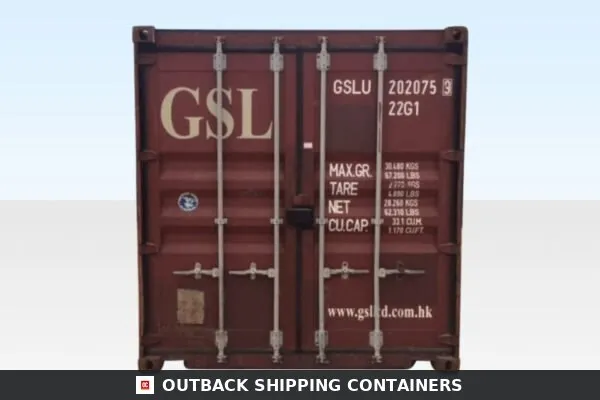
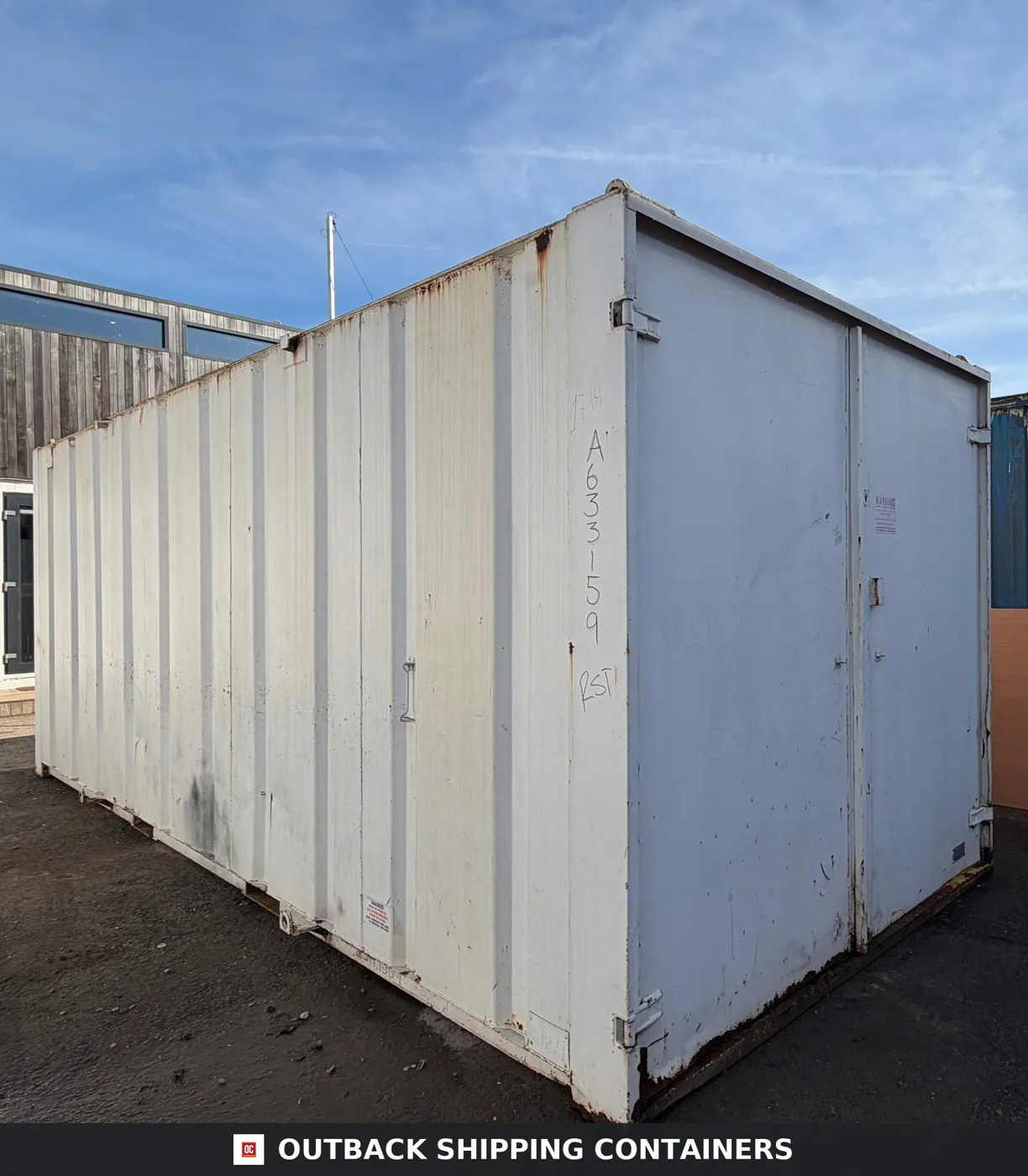
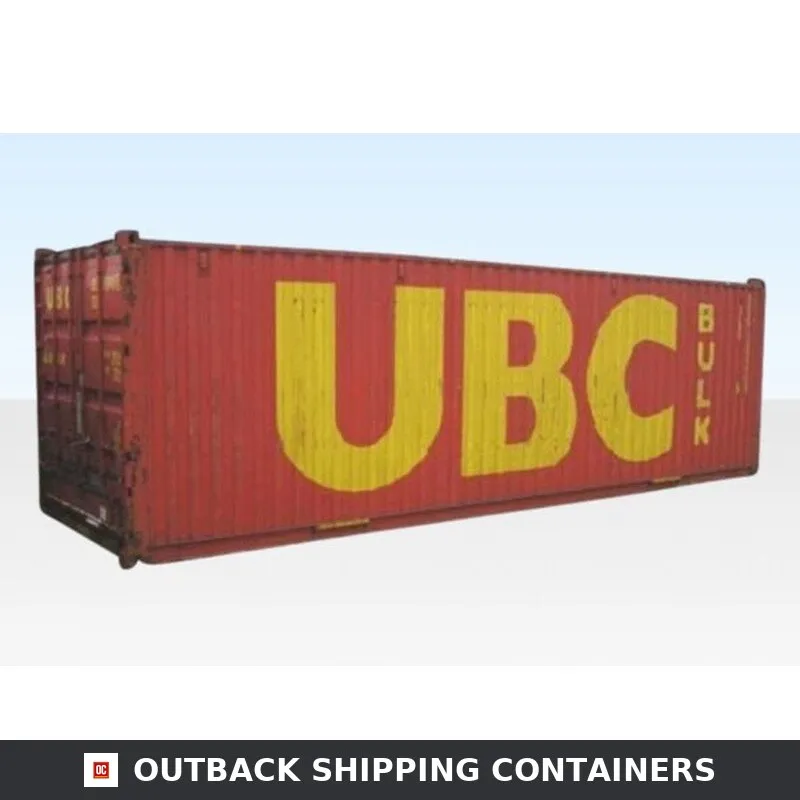
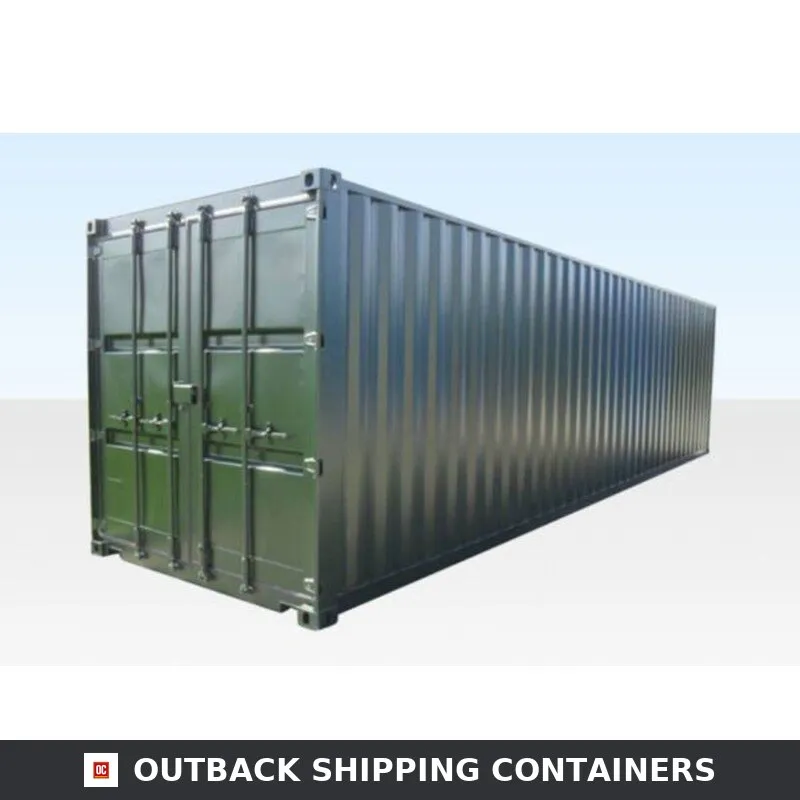
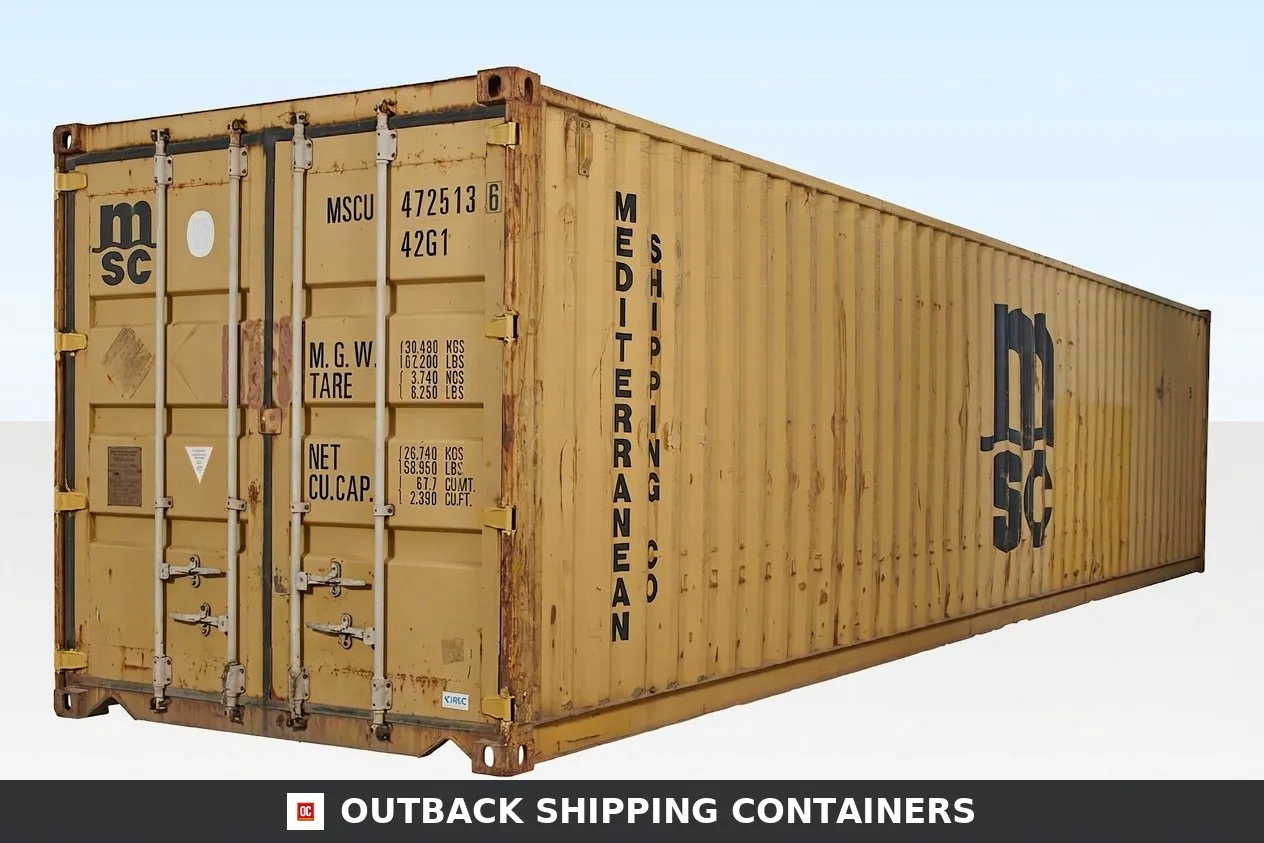
Because the yard is here, Turner buyers can arrange to walk around a container before committing. That matters most on used stock, where the difference between grades lives in details you cannot see in a photo: dents in the side panels, rust along the bottom rail, the condition of the door seals and locking bars, and whether the plywood floor is sound or soft near the doors. New and one-trip units are a simpler decision — check the paint, the seals and the CSC plate and you are most of the way there. Used units deserve ten minutes with a flashlight.
Every order is reviewed by a person before anything is paid, so a yard visit is arranged through the sales line rather than booked on the spot. Call or send the details and we will set a time.
Sizes that suit Turner properties
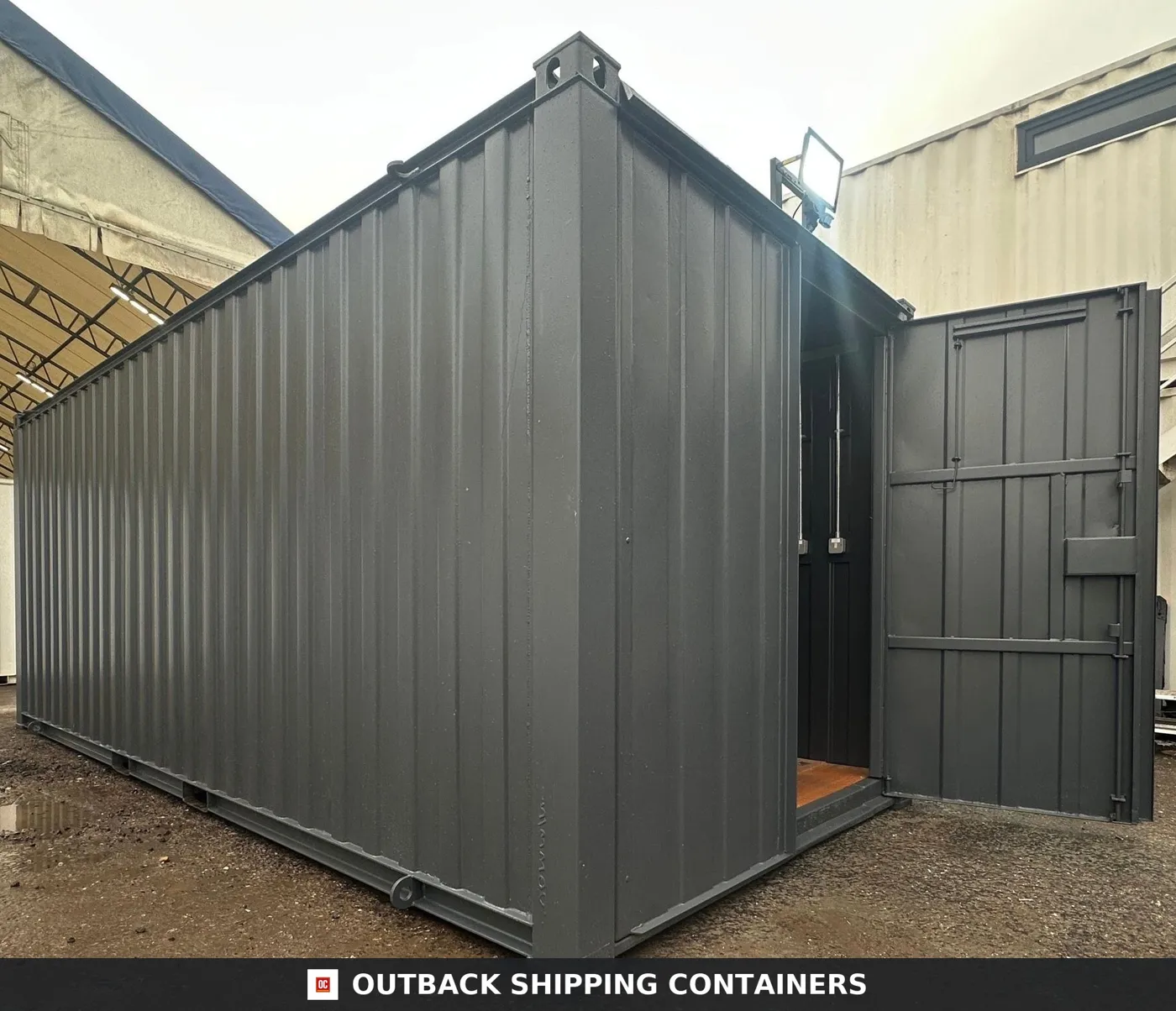
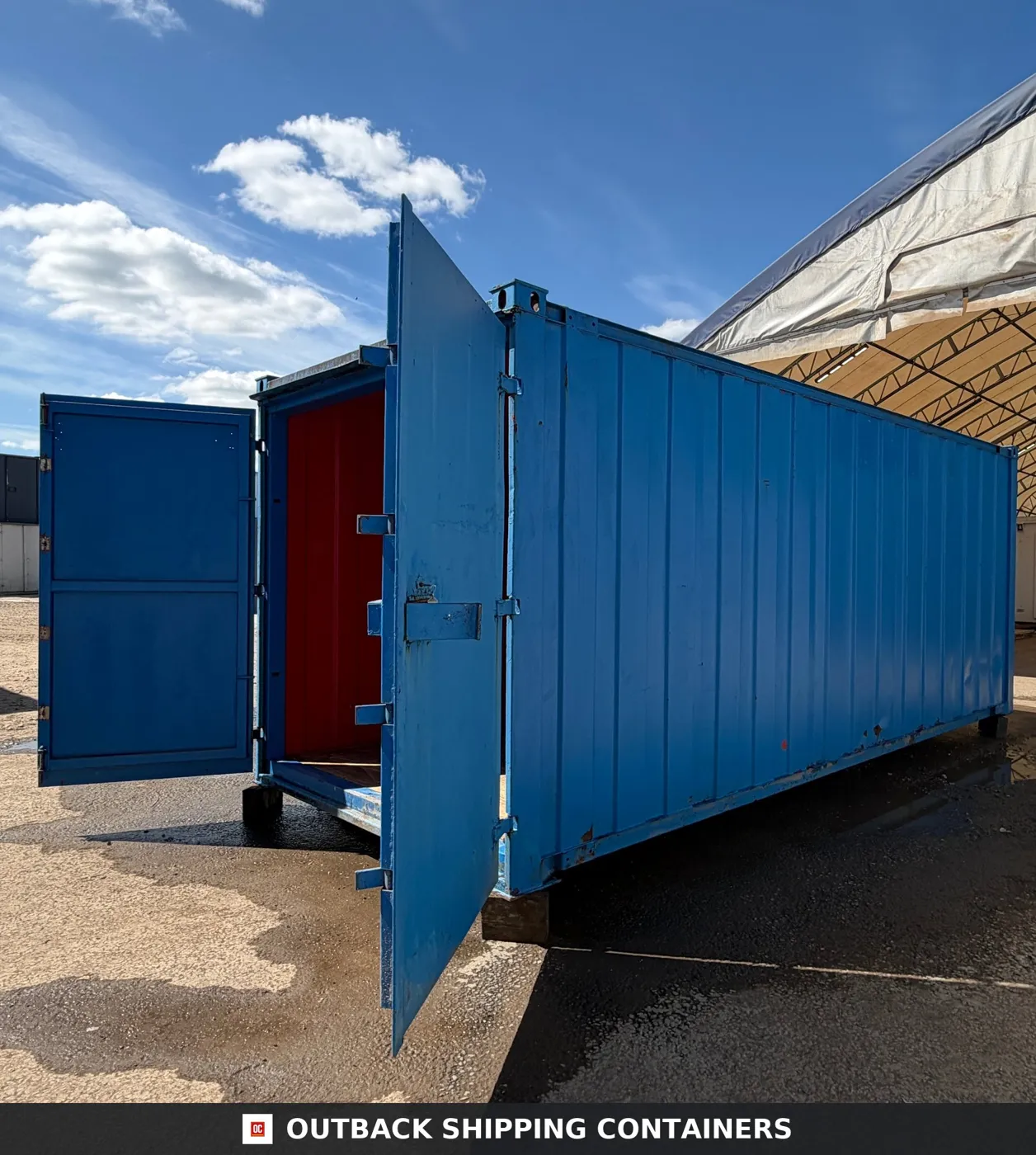
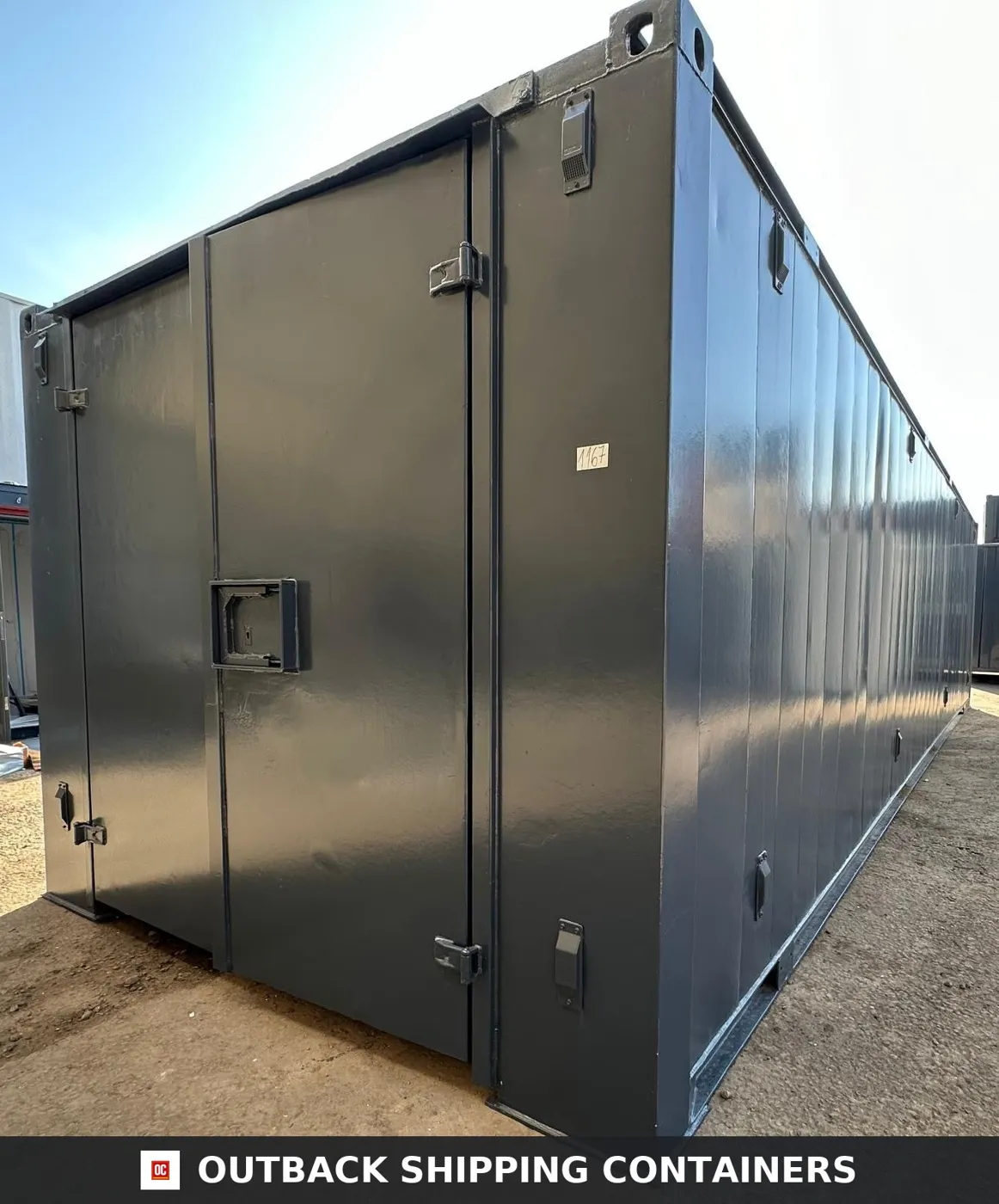
The 20ft is the workhorse for a farm, a contractor or a back lot — it holds a season of tools, feed or equipment and still fits where a 40ft will not turn. The 40ft is for volume: hay, pallets, machinery, a shop's overflow. A 10ft suits a job site, a garage extension or a smallholding where anything larger would be in the way. If you are storing tall racking or converting the unit later, a high cube buys an extra foot of headroom inside for the same footprint. If you need to load from the side or drive through, ask about open side and double door units rather than forcing a standard cargo door to do the job.
See the full range in the shipping container catalogue, If height is the constraint, ask us about high cube units when you enquire, or work through the buyer's guide if you are still weighing sizes.
Condition grades, in plain terms
New and one-trip containers are near-perfect steel with fresh paint and tight seals. Used containers are graded on how straight the panels are, how much surface rust they carry and whether they are wind and watertight — a used unit that keeps rain out is a perfectly good storage building, and costs a good deal less than new. Unrefurbished units are the cheapest and the roughest, and are usually the right call for a construction site or a bark pile where appearance does not matter. Ask us what grade a specific unit is before you compare it against another yard's price; grade is where most of the price difference lives.
If you have not bought used steel before, read what "used" condition really means first.
Site prep on a Maine farm or a village lot
A container is heavy, rigid and unforgiving. It needs a level, firm, well-drained base — compacted gravel, or timber or concrete bearers at the corners — and it needs the ground around it to shed water away from the doors. Setting one straight onto bare soil on an Androscoggin County clay flat is how you get a floor that heaves and doors that bind the following spring.
Plan the approach as carefully as the pad. Frost comes out of the ground late here, and mud season will punish a soft lane; a loaded truck that sinks to the axles is a recovery job, not a delivery. In winter, keep the door end clear of plowed banks so the doors can swing and the seals do not freeze to the frame. Our site preparation page and the guide to container foundations and bases cover the detail.
How the freight gets quoted
We do not quote haulage off a price list. Every order is reviewed by hand, then the delivery is priced against the real address: which road you are on, how far off Route 4 or Route 117, what the surface is, whether a truck can back in or has to be unloaded from the road, and how much time the driver will spend on site. Turner jobs are short and usually simple, which keeps the freight low. Then payment is by bank transfer once the quote is confirmed — no deposit taken before a person has looked at the order.
Send the address and a photo of the drop spot through the contact page and we will come back with the full delivered figure. General terms are on the delivery page.
What Turner and the surrounding towns buy
This is orchard and dairy country — apples on the Buckfield side of Route 4, working hay and pasture ground up along North Parish Road and the Nezinscot valley. Farm buyers here tend to want a 20ft or 40ft for feed, hay, tools and equipment that cannot live outdoors, and they care more about a dry floor and a locking door than about paint. Households on the lakes and the back roads want a smaller unit for seasonal gear and firewood. Contractors working out of Auburn and Lewiston want a 10ft or 20ft they can move between jobs. The neighbouring towns — Leeds, Greene, Minot, Buckfield, Hebron, Livermore, Mechanic Falls, Poland — are all short runs from the yard, so the same freight logic applies.