The route from Turner to Scarborough
Scarborough sits well south of our yard, so a container for a Scarborough address comes off our lot in Turner and stays on one trailer until it reaches yours. The run is Route 4 south through Turner Center into Auburn, then I-95 south for roughly 35 miles to the Scarborough exits — Exit 42 at The Downs and Payne Road, or Exit 44 further east toward the beaches. Call it about 50 miles and roughly an hour in good weather, before Portland-area traffic.
Three things follow from that distance.
- Size decides the trailer. A 10ft or 20ft unit usually rides a shorter trailer and can be set on a tighter lot. A 40ft needs a longer trailer and an approach without a hard turn in it.
- The delivery window matters. A haul of that length fits an earlier morning far better than an afternoon, when the northbound side of I-95 through Portland can put the truck late.
- Weather on the Turnpike is real. Snow, ice and spring frost heave can move a booked delivery day. We would rather tell you that before you schedule a crew than after.
Freight is quoted per order after we review the address, the access and the unit, rather than printed on this page — the address decides it.
What Scarborough's ordinance says before you buy
Scarborough's zoning ordinance (Chapter 405, Section IX(G)) treats a shipping container as an accessory storage container and regulates both where it can sit and how long it can stay. Read that before you pick a size, because it decides whether a container goes on the lot at all.
- Allowed districts. Accessory storage containers are permitted in the B-1, B-2, B-3, BO-R, RH, RH2, TVC, TVC-2, TVC-3, TVC-4, CPD, I-O and HP districts. Most of the town's residential zoning is not on that list — including the newer subdivisions, where recorded covenants and HOA rules often go further than the ordinance does.
- Temporary use — a renovation or a working job site — needs approval from the Code Enforcement Officer first: one container on a lot at a time, placed behind the front line of the principal building, application at least five days before it lands, and a fresh permit each time it is placed, with no more than two permits per lot per calendar year.
- Non-temporary use goes through Planning Board site plan review, and no accessory storage container may exceed 14 feet high, 9 feet wide or 55 feet long.
- Near water. Shoreland zoning keeps structures at least 75 feet from the water or wetland edge, and 250 feet in Resource Protection — a rule that matters in a town built around a tidal marsh.
The Code Enforcement office is at 259 US Route 1 and answers at (207) 730-4040. Ask about your own lot and zone before you order. We can tell you exactly what the box measures; they tell you whether it can sit there. More on the paperwork generally is under permits and certifications.
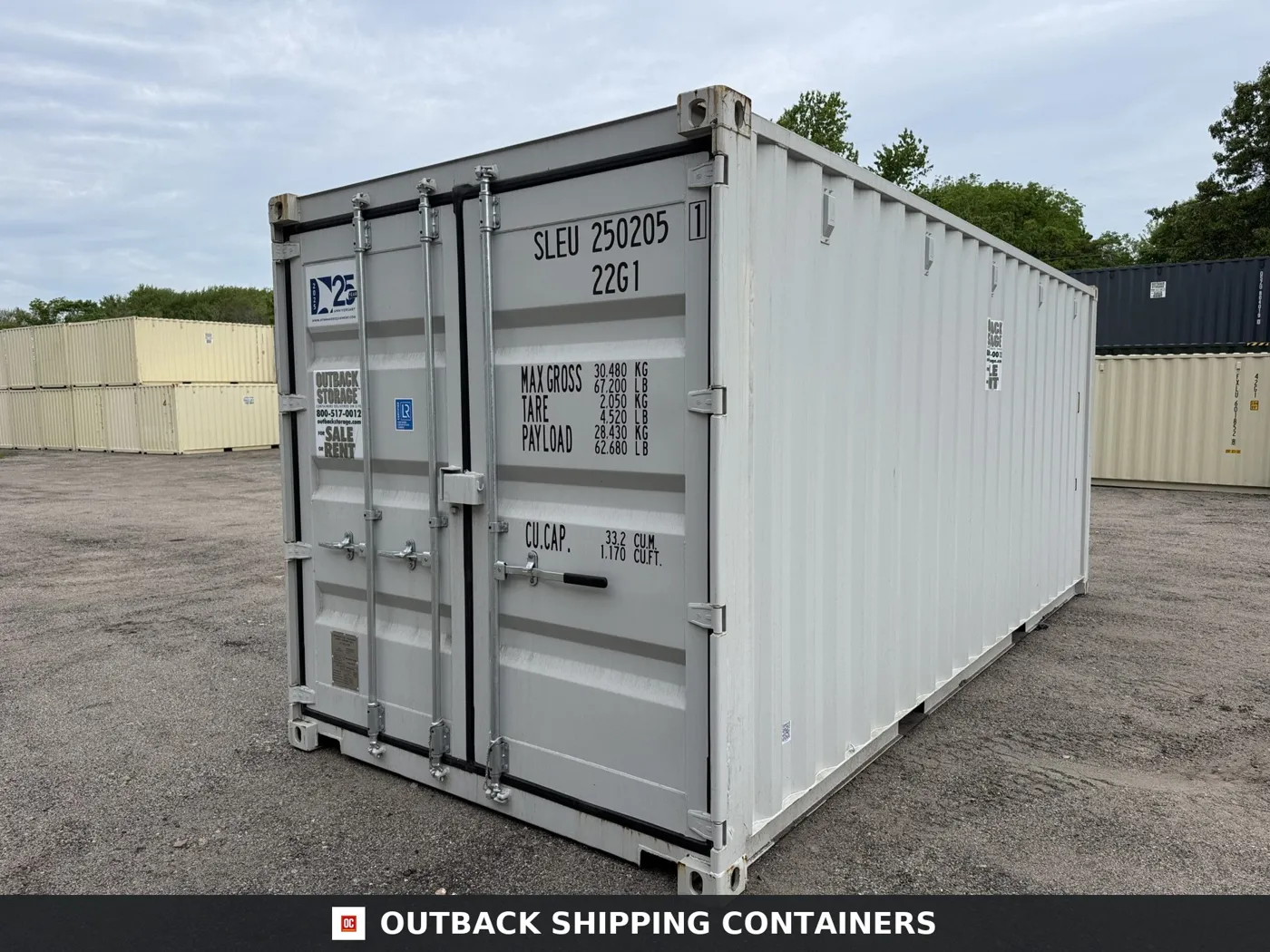
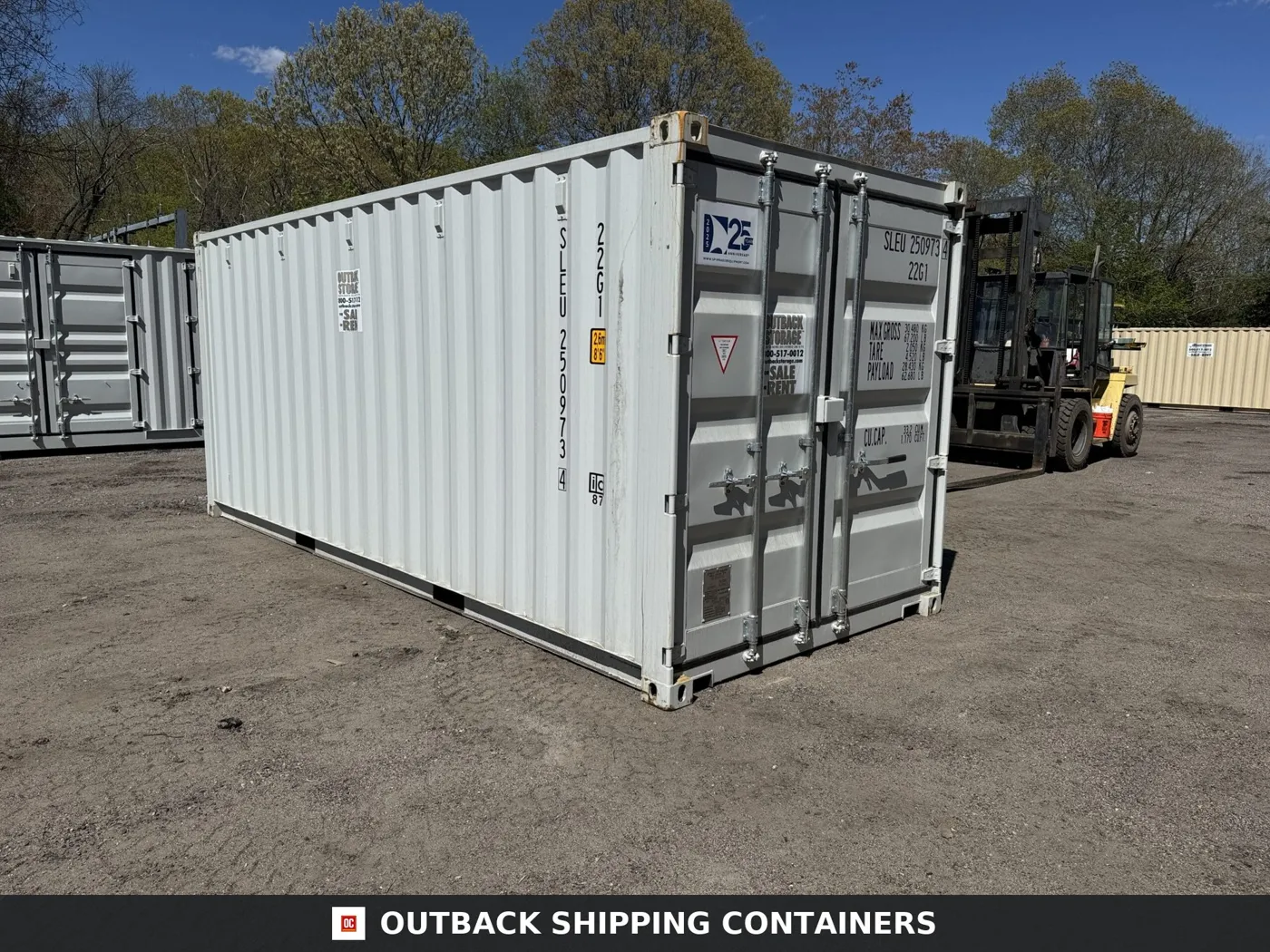
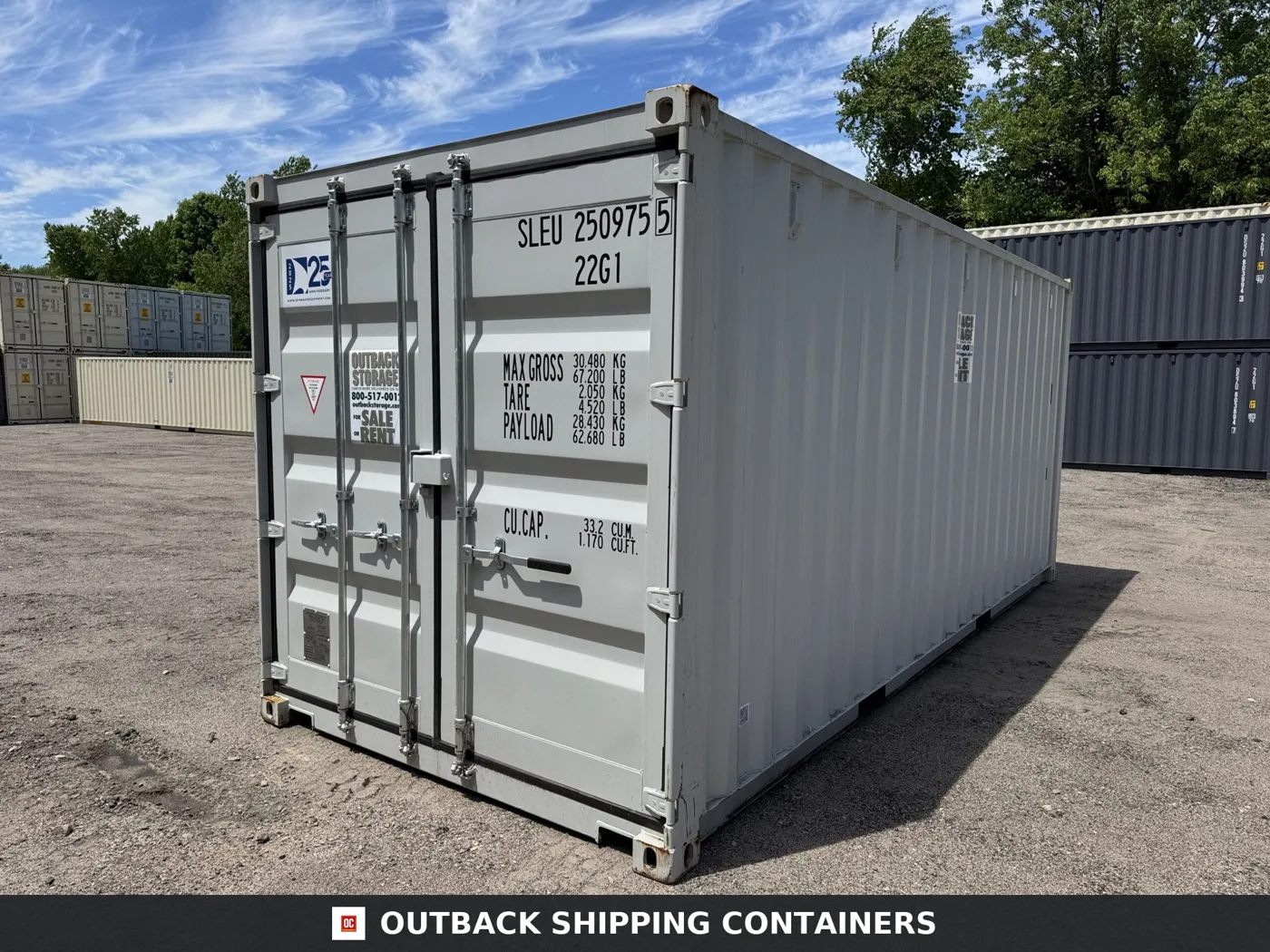
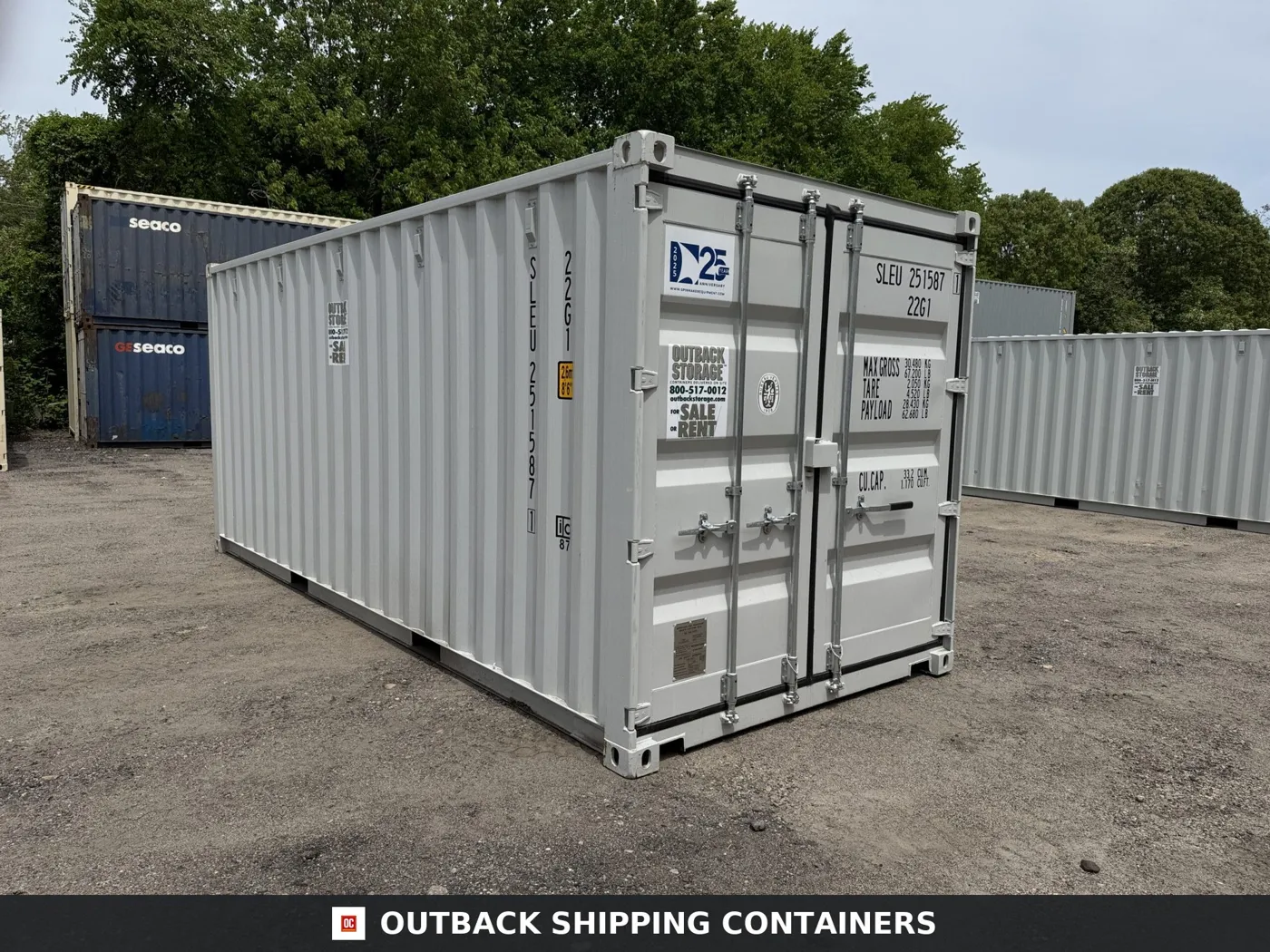
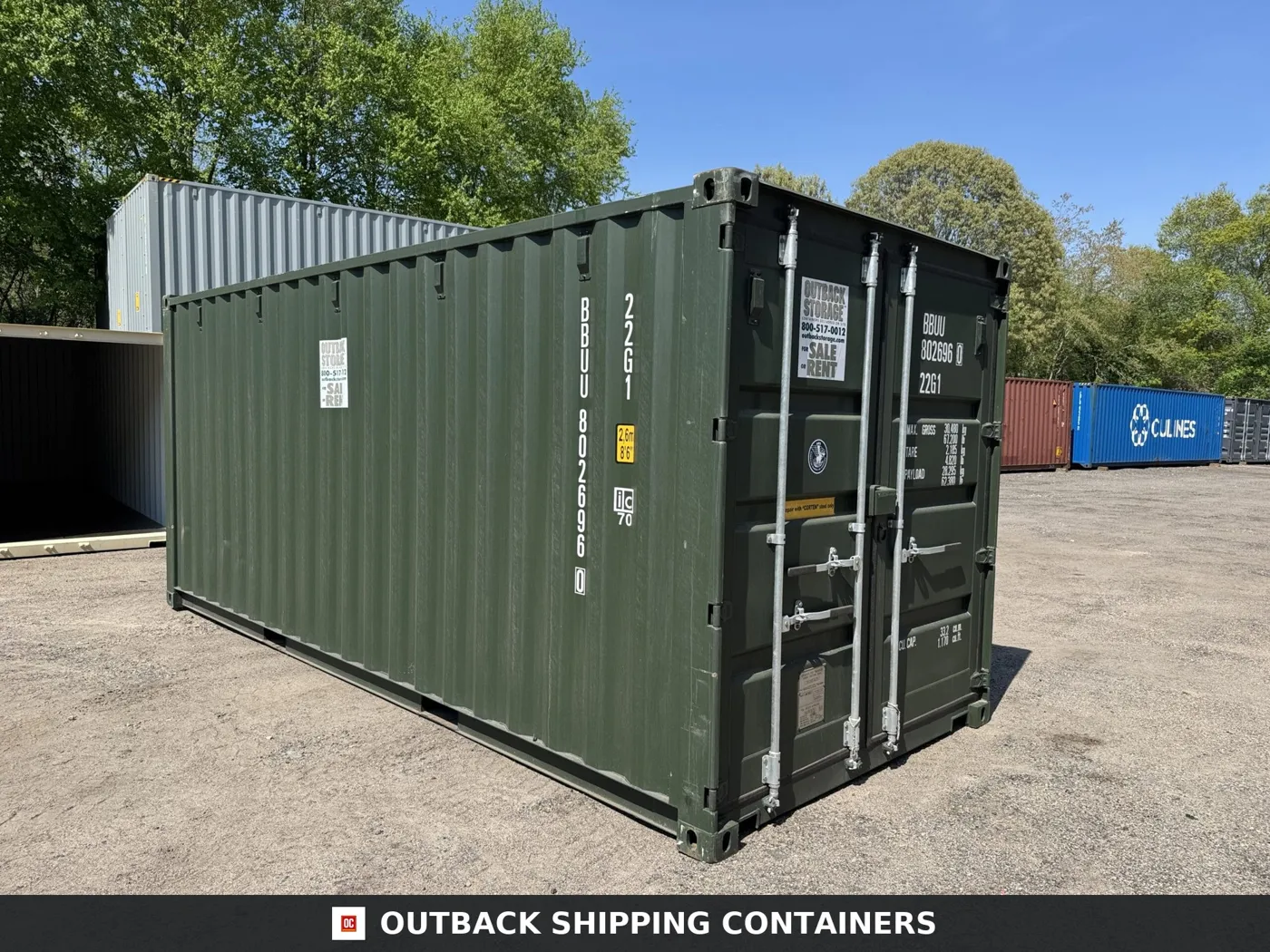
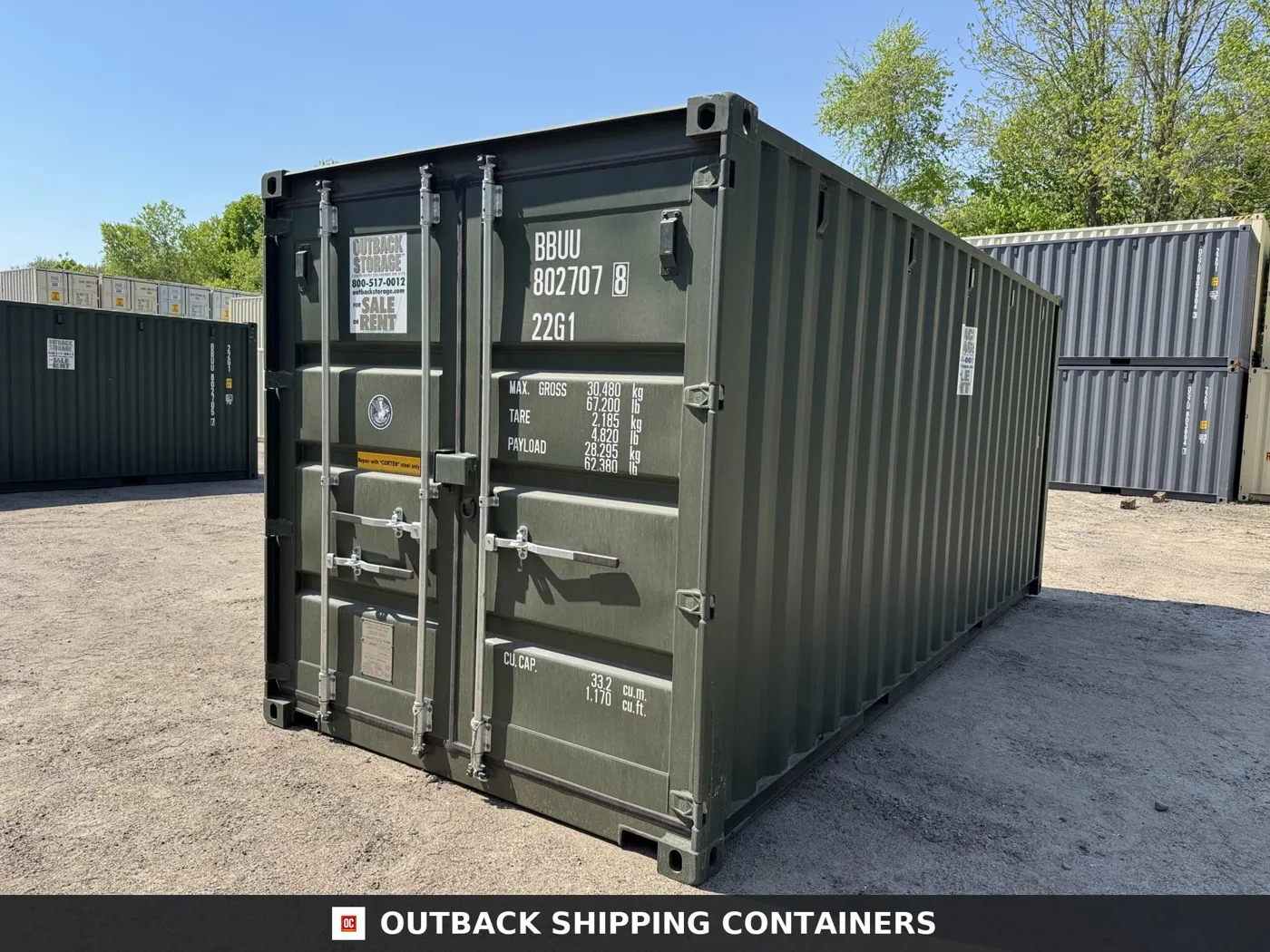
Every size we sell clears those dimensions comfortably: standard containers are 8 ft wide and 8 ft 6 in high, high cubes are 9 ft 6 in high, and the longest is 40 ft. The limit that catches people in Scarborough is the district list and the temporary-use permit, not the tape measure.
Sizes that suit Scarborough lots and job sites
- 20ft standard — the default. Holds the contents of a house or a season of equipment, fits a side yard or a commercial lot, and is the easiest length to place where turning room is short.
- 10ft and 12ft — for a small lot, an equipment store behind a shop, or tool storage where a 20ft would crowd the parking.
- 40ft standard — long material, contractor stock, a two-bay workshop. It needs the length to place it and a straight run for the trailer; that is routine on a Payne Road or Haigis Parkway lot and usually impossible on a village lane near Pine Point or Higgins Beach.
- High cube — 9 ft 6 in outside height instead of 8 ft 6 in, which buys about a foot of headroom for racking or a future fit-out. Still 8 ft wide, so it meets the town's caps.
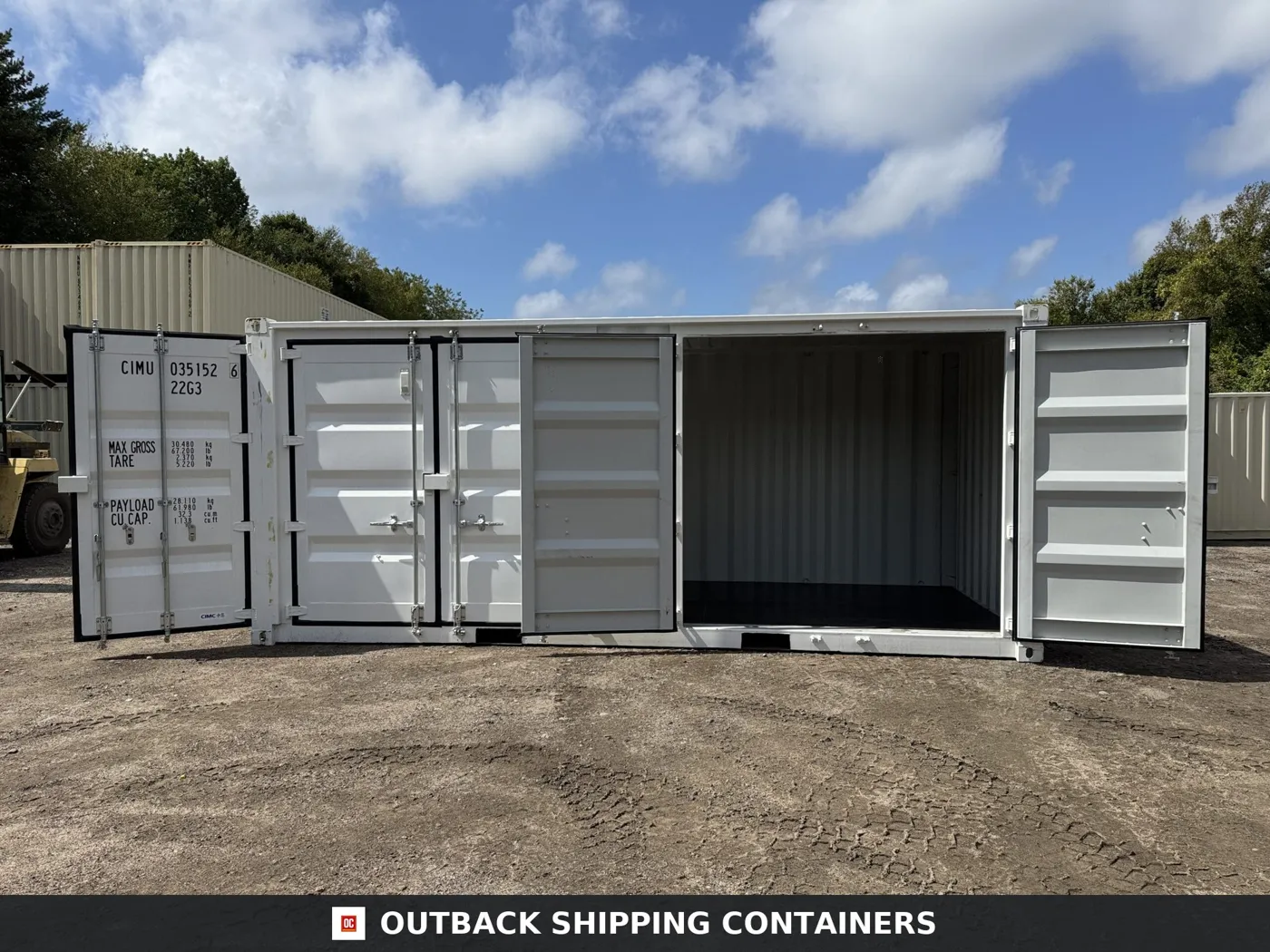
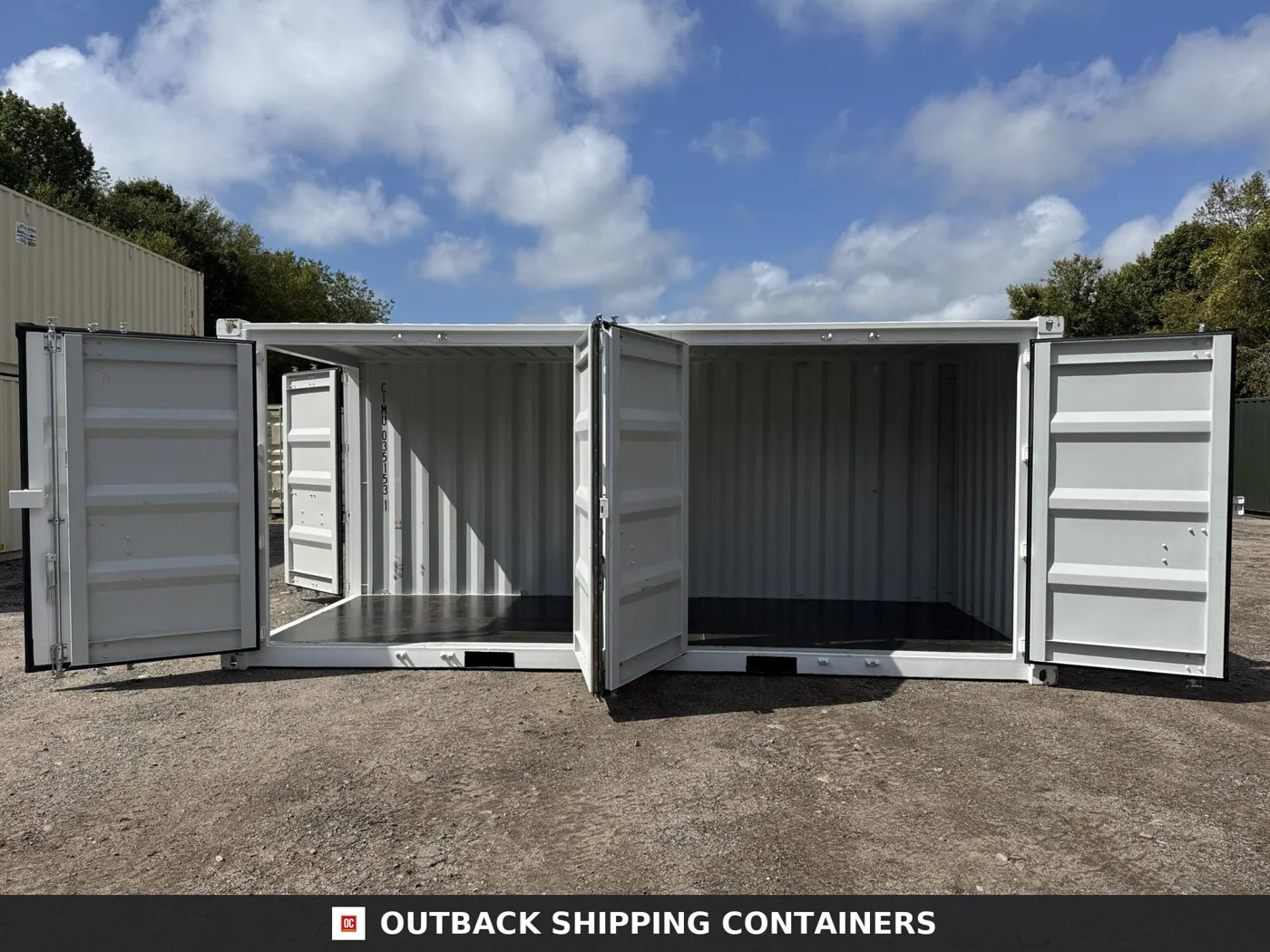
- Double door — opens at both ends, which is how you load from either side of a lot the truck cannot turn around on.
If the box is going to become something — an office, a workshop, a sauna — say so before we quote. A straight-walled one-trip unit is worth the difference over a patched storage box when the walls are going to be cut and lined. Browse the container range or the full shop.
Condition grades, in plain terms
Every listing states its condition, and the grade is the main thing that decides what a box is good for.
- New and one-trip — near-new steel, tight doors, clean floor. The right pick for conversion work or anything visible from the road.
- Cargo-worthy used — structurally sound and certified for freight, with cosmetic wear. Good all-round storage.
- Storage grade, wind and watertight — dents and surface rust, but it keeps the weather out and costs less.
Salt is the local wrinkle. A used box a mile or two from the marsh or the beach keeps corroding on the same seams whether or not anyone is watching, so plan on touch-up paint where the coating has broken. A one-trip unit starts cleaner and stays ahead of it longer. Our buying guides go through what a grade really means.
Site prep on Scarborough ground
The ground is the other half of the job here. Scarborough is built around a tidal marsh and low, wet ground, and a loaded trailer will not cross soft turf in March or after three days of rain. Plan for:
- A firm, level pad. Crushed gravel, or gravel over geotextile, is the usual answer. The box sits on its four corner castings, so the pad only has to carry those points, not the whole floor.
- Blocking under the corners. 6x6 timbers or concrete pads lift the box off the ground so air moves under the floor. On asphalt, timber under the corners in summer — a loaded container will rut hot pavement.
- Height above grade for drainage and snow, and clearance for a door that has to swing open.
- Frost. Maine ground moves in winter. A pad that was flat in October can be out of level by February, so do not build a permanent fit-out on a pad you would not park a loaded truck on.
Site preparation covers the pad and the access in detail. The delivery page explains what the driver needs to see when he arrives: a clear approach, overhead clearance, and room to set the box down.
Contractor sites and renovation storage
Most Scarborough orders fall into one of two groups. The commercial side is the strip along Route 1 and Payne Road, and the light-industrial and business-park lots going up at The Downs off Exit 42, where a 20ft or 40ft box is a lockable store for tools, material and anything that keeps walking off a site. The residential side is renovation storage — a kitchen or an addition, furniture and material out of the house for two months — and that one is a temporary container under the ordinance, so it needs Code Enforcement approval first and it sits behind the front line of the house, not in the driveway apron.
How the order and the freight work
Everything here is a one-time purchase, not a rental: no monthly lock-in, and the box is yours to keep, resell or convert. A person reviews every order before it is confirmed, and payment is by bank transfer once you have that confirmation — that is when we book the delivery. Freight is quoted after that review, because the address, the access and the unit size decide it. Inspect the container when it lands and photograph anything wrong before the driver leaves: damage claims are accepted within 24 hours of delivery.
To start, send the address and what you are storing through contact, or check the FAQ. Other towns we deliver to are listed under service areas.